
30 Work From Home Business Ideas For Beginners

Work From Home Business IdeasFinding a reliable way to work from home can really change the game, especially if you want more freedom, flexibility, or an extra income stream. With so many legit online business ideas out there, getting started can feel overwhelming; starting with the right platform makes things much easier.

When I first began working online, Wealthy Affiliate stood out as a home base for starting my own digital businesses. You get practical training, solid tools, support from an active community, and several ways to earn, even as a complete beginner. If you’re looking for work from home business ideas you can start with Wealthy Affiliate, here are some that are beginner friendly and can set you up for real results over time.


1. Affiliate Marketing: Share and Earn

One of the easiest ways to start earning from home is by becoming an affiliate marketer. With Wealthy Affiliate, you can learn to pick a niche, build your own website, and promote products you like. When someone buys through your link, you earn a commission. It’s a super flexible model, and you aren’t limited by location or inventory.

Popular Affiliate Niches

  • Health and Wellness
  • Tech Gadgets
  • Online Learning
  • Home Improvement
  • Personal Finance

2. Blogging for Profit

If you enjoy writing or have a topic you’re passionate about, blogging is worth checking out. Wealthy Affiliate gives you all the training, templates, and website tools you need. You can earn by promoting products (affiliate marketing), using ads, or even launching your own digital guides.

Tips For Beginners

  • Pick a niche you can write about often
  • Focus on helping readers solve real problems
  • Learn SEO basics; Wealthy Affiliate has step-by-step lessons

3. YouTube Channel Creator

You don’t need fancy equipment or a huge budget to start a profitable YouTube channel. With the training from Wealthy Affiliate, you can create content, promote affiliate offers, and build an audience. Some members make product review videos, educational content, or lifestyle vlogs. You can link your videos back to your website for extra traffic and sales.


4. Local SEO & Business Website Builder

Small local businesses need an online presence, but most owners don’t know how to get started. If you’re comfortable with WA’s website tools, you can help local shops set up simple sites, rank them in Google, and charge for setup or consulting. This is perfect if you like helping people in your own town get found online.


5. Review Website Owner

Buyers usually research before they spend money, making review sites always in demand. Create a website focused on reviewing products, software, or services in a niche you care about. Everything you need—from templates to keyword research tools—is already included with Wealthy Affiliate.


6. Drop shipping Resource Blog

Instead of running your own drop shipping store, set up a resource blog about drop shipping; share tips, top suppliers, and tools. Add affiliate links to recommend software or ecommerce platforms and earn commissions as people sign up through your advice.


7. Niche Recipe or Food Blog

Love cooking or sharing recipes? Build a food blog, post easy meal ideas, and recommend your favourite kitchen gadgets via affiliate links. Wealthy Affiliate’s training is friendly for total beginners, even if you’re just learning about websites for the first time.


8. Digital Product Reviewer

People are always looking for the best online courses, e-books, and digital tools. Start a website where you review and compare these digital products, linking to the best options with your affiliate links. This is a really low cost business to run from home since there’s no physical shipping or inventory involved.


9. Print on Demand Guide & Resource Site

If you’re interested in print on demand (like custom shirts, mugs, and more), create a blog helping others get started. Share advice, review different POD services, and recommend design tools via affiliate links. With Wealthy Affiliate, you get help setting up your site and can connect with others doing the same thing.


10. Personal Finance and Budgeting Blog

Helping people with money tips, saving guides, and reviews of budgeting tools can turn into a steady home business. You can monetize with affiliate links to finance apps, credit offers, or educational courses. Their training covers exactly how to track down what readers are searching for in Google.


11. Self Improvement & Motivation Site

If you’re into mindset, life coaching, or personal growth, build a resource hub for positive change. Use affiliate offers for motivational books, online seminars, or courses. Your content can be articles, listicles, or even audio and video segments.


12. Pet Niche Blogging

Pet owners love tips about care, products, and training. A pet blog can review toys, food, and accessories—all with affiliate links. You can niche down to specific pets (like dogs, cats, or even reptiles) for more targeted traffic.


13. Home Tech and Gadgets Site

Tech and smart home gadgets are always popular. Share unboxing videos, tutorials, or product reviews. When readers click your links to shop, you earn a commission. Wealthy Affiliate walks you through launching the site and writing reviews that pop up in Google search.


14. Green Living / Eco Friendly Guide Site

Start a blog covering eco friendly products or sustainable lifestyles. Share tips, product reviews, and green living hacks, then direct readers to eco friendly products with affiliate links. This niche is perfect if you love sustainability or supporting ethical brands.


15. Online Course Promotion

Lots of people want to learn new skills online. Focus your website on promoting well respected online courses in areas like digital marketing, graphic design, or personal development. WA’s training helps you get your reviews found by the right audience.


16. Parenting & Family Tips Blog

Parents are always searching for guidance online. Share activity ideas, product reviews, or advice on juggling family with work. Include affiliate links for parenting books, online classes, or educational toys.


17. Hobby or Crafting Blog

From knitting to woodworking, hobby blogs attract passionate readers. Share tutorials, project ideas, and recommend tools or crafting kits with affiliate links. You can also make a little extra from ads on your site.


18. Fitness At Home Blog

Create content about simple home workouts, gear reviews, meal plans, and motivation. Fitness can be tailored to different areas, like weight loss, yoga, or bodyweight training. Monetize with affiliate programs for supplements, gear, or workout subscriptions.


19. Health & Wellness Resource Site

Help others make healthy choices by sharing nutrition tips, supplement reviews, or healthy living inspiration. Link your content to trusted wellness brands as an affiliate. WA’s training makes finding the right keywords and helpful topics easy.


20. Travel Planning or Virtual Tour Blog

You can start a blog about travel planning, best deals, and virtual destinations. Add affiliate links to travel gear, insurance, or online experiences. This niche lets you tap into wanderlust from home.


21. Language Learning Blog

Language learners are always searching for helpful tips and good resources. Make money by sharing study hacks, reviewing language learning apps, and offering affiliate deals on online courses for various languages.


22. Gardening Tips Website

Gardening blogs pull in readers year round. Share planting calendars, beginner friendly guides, and your favourite gardening tools with affiliate links. Beginners love step-by-step visuals, something you can include using the website builder at WA.


23. Home Organization & Productivity Blog

Home organization tips are always valuable. Share clever hacks, storage product reviews, and printables for planners. Affiliate links for products you actually use make your recommendations more trustworthy.


24. Personal Branding & Resume Resources Site

If you know about job hunting or want to build a digital resource, create a website that helps others with resumes, career changes, or freelancing. Affiliate offers for resume builders, writing services, or online classes fit nicely here.


25. Self Publishing Resource Hub

Help aspiring self published authors by reviewing book formatting software, Kindle publishing tools, and online courses—all through affiliate programs. Add tips and success stories from the Wealthy Affiliate community for extra inspiration.


26. Beauty and Skincare Blog

Beauty, skincare, and cosmetics are buzzing with affiliate opportunities. Share reviews, tutorials, and honest product experiences. Posting consistently helpful content helps you earn your readers’ trust and loyalty.


27. Music Learning Site

If you play music, set up a blog on learning musical instruments, reviewing apps, instruments, lessons, and gear. Use affiliate links to connect readers with helpful products and tools.


28. Side Hustle & Gig Economy Blog

Lots of people want extra cash these days. Share legit side hustle ideas, review platforms, and give real-life tips for balancing gigs with daily life. You can promote Wealthy Affiliate itself here as a reliable platform to start new income streams.


29. Eco Friendly Parenting Site

Eco-conscious families want greener choices at home. Share product reviews, tips, and how-to guides focused on eco parenting. Promote green brands and products as an affiliate, and support families moving towards a more sustainable lifestyle.


30. Wealthy Affiliate Program Promotion

Finally, you can score recurring commissions by promoting Wealthy Affiliate itself. Share your own experiences, offer honest reviews, and make tutorials for new members. The WA program provides you with banners, links, and a generous referral system to reward your efforts.


Getting Started Is Easier Than You Think

Every single one of these business ideas can be started in simple steps on Wealthy Affiliate, whether you’re totally new to online business or want a fresh start. You don’t need a big budget or tons of experience to get going. I watched beginners go from their first post to their first dollar using Wealthy Affiliate’s guided bootcamps, expert coaching, and free tools. If you’re searching for a legit way to work from home, it’s seriously worth checking out; you might just stumble upon the perfect fit for you.

The Internet Changed.
Most Online Businesses Didn’t.

Whether you’re starting from scratch or frustrated with a lack of results, we help you build a real, profitable online business with modern training and AI.

No Credit Card

Instant Access 4,000 Free AI Credits

START BUILDING FREE

“Here’s a little transparency: Our website contains affiliate links. This means if you click and make a purchase, we may receive a small commission. Don’t worry, there’s no extra cost to you. It’s a simple way you can support our mission to bring you quality content.”

How To Start Working From Home With No Experience

remote work setup at homeGetting started with working from home is something a lot of people consider but often feel blocked by one big question: how do you actually get started with no experience? I know that feeling. Looking at job boards and only seeing offers asking for years of remote work background can feel pretty overwhelming. The great thing? There are real ways to break in, even if your resume doesn’t include a remote job yet.

If you’re thinking about earning from home so you can choose your own hours, avoid the daily commute, or maybe spend more time with family, I’ve got you covered. Here’s an all-in-one look at how I (and countless others) got started working from home with zero experience, plus how opportunities like Wealthy Affiliate on ecomearns.com can open doors for you.

No matter your background or skill set, the steps below help you set a solid foundation and start earning from home.


Start By Assessing What You Can Already Do

Everyone has skills, even if they aren’t job related at first glance. Maybe you’re great at organizing, good with people, or know your way around a computer. The trick is figuring out how these can transfer to remote work.

Examples of Transferable Skills:

  • Writing emails clearly and professionally
  • Helping friends troubleshoot tech or apps
  • Managing personal budgets or schedules
  • Being active on social media
  • Organizing family events or group activities

Anything you already do that helps other people, keeps things running, or involves learning new things quickly has value. Write these down. They can become talking points for job applications or your own online business.


Research Entry Level Remote Jobs and Flexible Gigs

There’s a huge variety of beginner friendly work from home jobs out there. Some of these require almost no experience and provide training. Here are a few categories worth checking out:

  • Customer support and virtual assistant roles. Companies hire for these jobs all the time, and they mainly need clear communication and organization.
  • Online tutoring and teaching. Lots of platforms hire tutors for English or other subjects, and often all you need is basic knowledge and good communication.
  • Testing websites or apps. Usability testing sites pay you to give feedback. No tech skills required—just your honest opinion.
  • Transcription or simple data entry. If you type reasonably well, these gigs let you earn while you learn more remote skills.
  • Launching your own blog or affiliate site. With programs like Wealthy Affiliate, you can grow your own business from scratch, learning everything on the job.

Checking job boards like FlexJobs, Remote.co, and Upwork will show tons of opportunities. If you’re interested in starting your own gig, visiting ecomearns.com connects you to guides and a community of people who’ve started from zero, too.


Build Basic Digital Skills Online (For Free!)

A lot of remote work relies on simple digital tools, such as email, spreadsheets, or managing basic websites. If you’re not super comfortable with these yet, there are plenty of free or low cost ways to get up to speed quickly. It’s honestly way less complicated than it may look at first glance.

Super Useful Skills to Learn:

  • Google Docs and Sheets (documents and spreadsheets)
  • Email platforms (like Gmail or Outlook)
  • Zoom or basic video call tools
  • How to use cloud storage services (Google Drive, Dropbox)
  • Simple website building with WordPress

Many sites, including Wealthy Affiliate if you’re interested in affiliate marketing, have free modules or trials. YouTube is packed with beginner level tutorials too. Practicing these for an hour a day gives your confidence a quick boost.

If you like a challenge, try combining a couple of these skills. For example, build a simple website and create a few posts using Google Docs before uploading them to your site. This not only makes you more comfortable using different tools but also helps you see how your tech skills are coming together. After you get more comfortable, you can explore advanced tools, like scheduling software or basic photo editing, but start small so you don’t get overwhelmed.


Create Your Basic Online Presence

You don’t need a fancy resume or professional website right away. Even a simple LinkedIn profile with your real skills and a bit about why you want to work from home is a good start. If you want to grow your own online business, setting up a basic blog or website is really straightforward with site builders.

Why This Helps:

  • Potential clients or employers can find you online
  • You can start sharing what you’re learning
  • Makes you look more serious about remote work

Platforms like Wealthy Affiliate offer easy website builders and lots of support, so you won’t feel lost. If you’re not sure what to write, start with what makes you motivated to work from home and any skills you listed earlier.

This small step opens new doors. Over time, you might want to add examples of your work, testimonials, or even a list of services you offer. Your presence can grow as your confidence and experience grows.


Start Small To Gain Real Experience (And Earn While Learning)

Once you’ve outlined your skills and set up your online presence, it’s time to take action. Apply for entry level gigs, volunteer to help online groups, or create a project for yourself (like a blog or simple online shop). The experience you get from your very first gig counts as remote work, and it’s something you can add to future applications.

Ideas for Your First Steps:

  • Join an affiliate program like Wealthy Affiliate (lots of training and community support)
  • Offer to help a friend or family member with their website, social media, or email newsletter
  • Write a guest blog for a site you read or admire
  • Pick up a short freelance task, even if it pays a small amount at first. Every bit helps

This approach builds up your confidence, gives you real work examples, and (even better) starts to earn you an income from home.

You’ll also stumble upon new areas of interest or hidden talents as you try different small gigs. Each bit of work helps you craft a story you can tell future clients or employers about your growing skill set. Don’t hesitate to ask for feedback. Constructive feedback not only helps you improve but also shows your commitment to personal growth.


Grow Your Skills, Confidence, and Income Over Time

The cool thing about remote work is that you keep gaining new possibilities as you try new things. Once you’ve got your foot in the door, look for ways to take things up a notch:

  • Take on slightly bigger projects or responsibilities
  • Try different niches or types of online work to see what you like best
  • Invest extra time in programs like Wealthy Affiliate to pump up your affiliate marketing game
  • Ask for testimonials or references as you complete more work

This is where things start to snowball. A couple of small wins lead to more offers, more confidence, and bigger pay checks. Connecting with the Wealthy affiliate community is also a great way to see how others have progressed.

If you ever hit a plateau, jump into a new area of remote work or develop a fresh skill to keep things interesting. Networking in online communities, sharing your experiences, or even mentoring others can give a big boost to your motivation—and you’ll expand your opportunities even more.


Frequently Asked Questions & Troubleshooting

What if I don’t have any specialized skills?

There are plenty of remote jobs needing only basic skills. Think customer service, data entry, or social media management. You can build technical skills as you go. Everyone starts somewhere, and training is usually available.

Is it safe to work online or start an affiliate site?

Always check reviews and make sure platforms are legit. Wealthy Affiliate is a well established program, I can highly recommend them myself for the training and support they offer.

How do I balance working from home with other responsibilities?

  • Create a simple schedule so you know when it’s work time and when it’s not
  • Start with small, flexible gigs or projects so you’re not overwhelmed
  • Communicate your schedule with family or roommates to avoid interruptions

Do I need professional equipment to get started?

Most remote jobs only require a reliable computer and internet connection. For many beginner roles, that’s all you’ll need. As you grow in your role or pick up more specialized work, you might want to invest in headphones, a better webcam, or a comfortable chair for your home workspace—but starting simple is best when you’re new.


Your Home Based Income Starter Plan

Getting paid to work from home with no experience is totally possible when you have practical steps, the right support, and a bit of patience. No hustle, no fancy degree, just consistent action. Here’s what helps most people move forward:

  1. Write down three skills or interests you have (even if they feel basic)
  2. Pick one online gig, platform, or community (like Wealthy Affiliate) to try this week
  3. Start applying or building—don’t wait until everything feels perfect

The Internet Changed.
Most Online Businesses Didn’t.

Whether you’re starting from scratch or frustrated with a lack of results, we help you build a real, profitable online business with modern training and AI.

No Credit Card

Instant Access 4,000 Free AI Credits

START BUILDING FREE

“Here’s a little transparency: Our website contains affiliate links. This means if you click and make a purchase, we may receive a small commission. Don’t worry, there’s no extra cost to you. It’s a simple way you can support our mission to bring you quality content.”

Best Practices For Running An Online Business

If you’re thinking about running an online business, I can tell you from experience that it’s a seriously rewarding adventure; but it definitely comes with a learning curve. With online shopping and services getting more popular every year, figuring out how to set up, run, and grow your digital venture can really pay off. I’ve put together some practical tips and best practices so you have a smoother path to success, whether you’re just starting out or looking to level up.

A sleek laptop, coffee mug, smartphone, and notepad on a modern desk with a bright background of digital charts and website windows

Understanding the Online Business Landscape

Getting the basics down is a good first step before you jump into the deep end. Online businesses now include everything from tiny homerun bakeries to global ecommerce stores and digital agencies. The flexibility and reach are huge, but so is the competition. Last year, for example, ecommerce sales hit nearly $6 trillion worldwide, showing just how much the digital space is spreading fast.

Digital businesses aren’t tied to physical locations, so you can reach customers anywhere. But this also means that you’re competing against other businesses around the globe, and staying on top of trends and customer demands takes some effort. It pays to keep an eye on changing tastes—technology trends, payment preferences, and popular marketing strategies can all switch up quickly in the digital world.

Most successful online businesses started small. Many popular brands you see today grew steadily by understanding customers, adapting to feedback, and making smart tech choices. This approach keeps you nimble and lets you adjust quickly as things switch up online.

Building A Solid Foundation for Your Business

A strong foundation is really important when you’re launching or even refreshing your online business. Some key areas to focus on early include:

  • Choosing Your Niche: Pinpoint what sets you apart. The most successful online businesses aren’t just copy-pasting someone else’s idea; they’re solving a real problem or serving a specific community. Try to find a spot where your skills, passion, and market demand line up.
  • Market Research: Get to know your competitors and your ideal customers by browsing forums, tracking down what’s trending, and seeing what folks are talking about on social media. Careful research helps you figure out what people want and where you can fit in. Don’t discount customer surveys—it’s a straightforward way to gather real insights.
  • Business Plan: Even if it’s not formal, sketch out your goals, what you’ll sell, your pricing, and why people will choose you. A simple plan helps you stay on track and keep your focus sharp.

Over time, review and update your plan as you learn from your market and your results. Making it a habit ensures you’re always moving toward your business goals in a focused way.

Website Setup and Branding

Your website is usually the first thing people see, so making a good impression matters. You don’t have to spend a fortune, but some essentials can go a long way.

  • User Experience: Make your site easy to steer through. When folks land on your homepage, they should quickly spot what you’re offering and how to get it. Clear menus and simple design work really well, and mobile-friendly layouts are a must these days.
  • Reliable Platform: Choose a website platform you can handle easily, like Wealthy affiliate, Shopify, WordPress, or Wix. Each one has pros and cons, but most come packed with tutorials and lots of customization options, so you can put your own stamp on it.
  • Strong Branding: Pick a memorable logo, a matching colour scheme, and a friendly voice for your website content. Reliable branding and a bit of personality help visitors remember you, and linking your website style to your logo really ties things together.

I’ve found that even a few tweaks to your design, like bigger headers or clearer call-to-action buttons, can really increase engagement. Pay attention to how your visitors interact with your site. Free tools like heatmaps and session recordings can show you where people spend time or get stuck, so you know where to improve.

Digital Marketing and Customer Acquisition

Getting your first customers takes effort, but digital marketing gives you a ton of options. Here are a few strategies that have worked well for me and many others:

  • Search Engine Optimization (SEO): Optimize your website for keywords that make sense for your products or services. Writing blog posts, adding helpful descriptions, and earning quality links from other sites can help people find you through Google. Try to give real value—Google rewards content that solves problems or answers common questions.
  • Social Media: Use social platforms like Instagram, Facebook, or TikTok, depending on where your target audience hangs out. Posting regularly, sharing behind-the-scenes moments, or kicking off fun conversations can build trust and start strong relationships with customers.
  • Email Marketing: Collect email addresses (with permission) and send updates, deals, or helpful advice. Email is still a great way to drive repeat business and keep people interested in what you offer. Well-written emails with a personal touch will always stand out.
  • PPC Advertising: Paid ads on Google or social platforms can give a quick boost in traffic. Be sure to set a budget and track your results so you don’t overspend. Split-testing different ads or landing pages can show you what your audience prefers—and save you money in the long run.

Not all strategies fit every business. Testing and tracking what works best for you ensures you’re investing your time and resources in the right place. Regularly reviewing your analytics lets you tweak campaigns and get more from your efforts.

Common Challenges When Running An Online Business

Obstacles are basically part of the deal when you’re working online. Here are some hurdles I’ve seen (and bumped into myself), plus some ideas to help you deal with them:

  • Technical Glitches: Websites crash or plugins break, especially when you’re new to managing a site. Regular backups and keeping things updated with the latest software keep things running smoothly. Learning the basics of troubleshooting is a huge help down the line.
  • Online Security: Security matters, even for smaller sites. Use strong passwords, enable two-factor authentication, and install security plugins if you’re using platforms like WordPress. Make a habit of performing security checks regularly.
  • Payment Processing: Sometimes, credit card payments or online gateways act up. Stick with reliable processors and double-check your site is set up to accept the payment types your customers prefer. Make sure to clearly list accepted payment methods on your checkout page to avoid confusion.
  • Logistics and Shipping: If you sell physical products, shipping delays and inventory headaches can pop up. Regularly reviewing your supply chain and tracking shipments helps prevent problems before they pile up. Keep customers in the loop with up-to-date tracking and clear expectations on delivery times.

Technical Glitches

I’ve had days where my website just refused to load, usually because of a plugin conflict or server hiccup. Keeping my plugins updated and running regular backups has saved me from bigger disasters more than a few times. It pays to work with hosting companies known for good support—when things go wrong, quick help can make all the difference.

Security Issues

After a minor brush with a phishing attack early on, I realized that choosing trusted plugins and using unique passwords for everything makes a huge difference. It’s worth setting up extra security layers even if you feel like a small fish. Bots and hackers target everyone, so staying sharp with your website security is just good business practice.

Handling Payments

Testing your checkout process like a customer can catch a lot of sneaky issues. It’s also a good idea to offer a couple of payment options, since not everyone wants to use a credit card. Be proactive—remind customers that their checkout details are safe, and provide fast customer support for any payment concerns.

Shipping and Fulfilment

Shipping takes more planning than you might expect. Work with shipping services that offer live tracking, and send updates to customers so they know where their package is. Having a clear refund and shipping policy available eases customer worries—and saves you support headaches.


Growth Tips for Online Entrepreneurs

Once your business is running, steady growth comes from ongoing improvements. A few things that have worked for me and folks I know include:

  • Listen to Feedback: Pay attention to customer reviews and survey results. Customers often highlight things that are easy to fix but make a huge difference. Don’t just skim negative reviews—use them as a checklist for what to improve.
  • Upsell and Cross Sell: Recommending related products or services at checkout can increase the value of every sale. Simple prompts like “Customers also bought…” or “You might like…” add to your average order value.
  • Automate What You Can: Use apps or plugins to automate order confirmations, newsletters, or social media posts to save time. The more routine tasks you can put on autopilot, the more time you have to focus on bigger ideas for growing your business.

Monitoring what’s working and what’s not using analytics tools (like Google Analytics) helps you see real numbers on sales, visitor behaviour, and popular products or pages. Adjusting your game plan based on real data is super important for ongoing growth. Try setting up weekly review sessions to catch small issues before they turn into bigger problems.

Expanding your product range, partnering with influencers, or adding blog features are just a few ways to keep momentum going. The online business world rewards those who keep moving forward and aren’t afraid to try something new.

Real-World Examples of Online Business Success

It’s helpful to see how others have faced challenges and adapted. Here are a few practical scenarios:

  • Handmade Goods: A friend of mine started a side gig selling hand poured candles. By sharing how-to videos on social media and asking customers to post photos of their purchases, her brand picked up traction. In time, she expanded into her own online shop and even built a small team to keep up with demand.
  • Digital Learning: Another entrepreneur I met at a conference built a small empire selling online courses. He started by offering free webinars, which helped grow his email list. He kept things interactive by answering questions live and building genuine relationships with his students—creating a loyal following that spread the word to others.
  • Affiliate Sites: Plenty of bloggers earn steady income by recommending products they use and trust as I do, adding honest reviews, and including affiliate links. Good content and a genuine voice help these businesses grow naturally, with steady traffic thanks to quality SEO and helpful advice.

Learning from real success stories helps you recognize common pitfalls as well as clever moves. Each journey shows that consistency and keeping customer trust at the centre of every tweak pays off in the long run.

Frequently Asked Questions

Here are some things people most often ask when they’re curious about running an online business:

Question: What’s the easiest online business to start for beginners?
Answer: Many people find dropshipping, print on demand shops, or affiliate marketing easy to set up since you don’t need to manage inventory up front. It mostly depends on where your skills and interests are strongest. Look for options that fit your comfort level with technology and marketing.


Question: How do I get my website to show up on Google?
Answer: Focus on SEO basics. Add clear product descriptions, write helpful blog posts, and make sure your site loads fast. Google rewards content that is helpful and relevant, so focus on answering common customer questions and providing real value.


Question: How important is social media for my online business?
Answer: Social media is an easy way to reach new audiences and build trust. You don’t need to be on every platform; just pick one or two that match your brand and where your audience spends time. Consistency is more important than being everywhere at once.


Stepping Up Your Online Business Game

Running an online business is rarely a straight line, but it’s easier when you stick to proven practices and stay flexible. Keep exploring, always look for feedback, and don’t be afraid to try new tools or strategies as you grow. Every time you learn something new or solve a problem, you’re building a stronger business. That’ll help keep customers coming back for more. The real key is to keep your business evolving, stay open to change, and enjoy the ride as you build something you’re proud of.

Start Building Your Online Business Today

Join thousands of people learning how to start affiliate marketing and build an online business from home.

Create your FREE website, access beginner-friendly affiliate marketing training, and take the first step towards building a scalable online income.

Your Business. Your Pace. Your Future.

START BUILDING FREE 

REMEMBER 5.5+ BILLION PEOPLE ONLINE TODAY

“Here’s a little transparency: Our website contains affiliate links. This means if you click and make a purchase, we may receive a small commission. Don’t worry, there’s no extra cost to you. It’s a simple way you can support our mission to bring you quality content.”

Online Business Ideas For Residual Income

Building residual income online is one of those dreams that can actually turn into reality with the right mix of creativity and practical knowhow. I’ve been exploring online business ideas for a while now, and the great thing about earning money online is that you can put in the work up front and keep seeing results for years to come. Whether you want a little something extra each month or you’re aiming to replace your day job, the possibilities for creating ongoing income streams are pretty wide open right now. Here are some online business ideas for residual income that are worth checking out, including a few lessons I’ve learned along the way.

A workspace with a laptop, coffee cup, and digital charts showing passive online income streams

What Is Residual Income and Why Does It Matter?

Residual income is basically money you keep earning from something long after you’ve done most of the work. Think royalties from a book, rental income, or commissions from online sales you set up weeks or months ago. For a lot of people, this is super appealing because it means breaking free from trading hours for dollars/ pounds. Once you’ve got a few residual income streams set up, your earnings continue even when you’re not glued to your laptop every day.

With online businesses, residual income can come from sources like digital products, memberships, affiliate marketing, ad revenue, and more. The real draw is the flexibility; being able to work from anywhere and build something scalable that can grow over time without needing a ton of micromanagement. This also means you can make adjustments as markets evolve.

Types of Online Businesses That Pay Residual Income

There isn’t just one type of online business model that works for everyone. I’ve listed several below that have brought in steady earnings for me and friends in the industry:

  • Affiliate Marketing: Earn commissions by recommending products or services and sharing links on your website or social channels. The Wealthy Affiliate platform is a great example because it teaches you how to build a niche site and earn recurring commissions for referrals. Wealthy Affiliate’s training is especially solid if you’re just getting started; they take you step by step, and their community support is strong, so you never feel lost.
  • Creating and Selling Online Courses: Use platforms like Udemy or Teachable to share your knowledge. Once your course is up, people can keep buying and enrolling long after the initial launch. Course updates once in a while keep your materials fresh and boost customer satisfaction.
  • Membership Sites: Build a community people pay to join. Whether it’s exclusive content, coaching, or resources, this setup often means stable, ongoing payments every month for as long as they’re members. Some creators add bonus content monthly to make their platform stickier.
  • Ad Revenue From Websites or YouTube: Creating content that gets lots of visits can keep paying you as long as people keep clicking or watching. This takes time to build up, but it’s worth it once you get traction. Updating your SEO now and then keeps your traffic flowing.
  • Digital Product Sales: Sell things like eBooks, printables, or design templates. Once they’re created, customers can buy and download them anytime without any extra effort from you. Bundling products can help you stand out and cater to different needs.
  • Dropshipping or Print on Demand Stores: Sell products that are made and shipped by a third party. You handle the marketing and order flow, but someone else manages the inventory and shipping. This lets you offer physical products without the headaches of storage or shipping logistics.

Getting Started: How to Turn Your Idea Into Ongoing Income

Starting out can feel overwhelming, especially when you’re hit with all the tech, marketing jargon, and choices. Here’s a practical approach I’ve found really helps when you’re brand new to this:

  1. Pick One Business Idea to Start: It’s tempting to try everything at once, but focusing on just one path lets you learn faster and avoid burnout.
  2. Find a Platform or Community: Having support and resources makes everything so much easier. This is why I keep recommending Wealthy Affiliate; they give you the tools, hosting, and community all in one place. If you’re building an affiliate marketing website, their lessons actually walk you through the “how to,” not just theory.
  3. Set Up Your Content or Products: This could mean writing articles, filming videos, or creating digital downloads. The sooner you can get your first product or piece of content live, the quicker you’ll see what works. Feedback on early efforts is invaluable and speeds up your progress.
  4. Use Automation Where You Can: Schedule posts, set up email sequences, or use ecommerce tools to keep things running with less day to day effort. Automation can be a lifesaver when your schedule gets busy or if you want to take vacations.
  5. Track Your Results: Analytics help you see what’s really making money. It’s way easier to improve or scale once you know what’s working. Making small tweaks based on your stats can boost your growth over time.

Challenges to Watch Out For

Online businesses are pretty flexible, but there are a few things to know that make the whole process smoother and less frustrating.

  • Time Investment Up Front: Almost all of these ideas need a bit of sweat at the start. Residual income takes some serious upfront effort; writing articles, creating products, learning new tools, but the payout comes later on, sometimes months after you start. Patience is key as you build momentum.
  • Competition: Online spaces get crowded fast. The good news is you can carve out a niche by solving a specific problem or targeting a unique audience. Picking something you’re interested in helps keep you motivated too, since you’ll stick with it longer when you care about the topic.
  • Staying Consistent: Regular updates, especially for membership sites or blogs, are super important. You don’t need to work yourself too hard with daily updates, but sticking to a schedule helps your audience know what to expect and builds trust.
  • Platform Changes: Sometimes algorithm updates or policy changes can mix up your earnings. Having more than one stream of income helps you bounce back faster. Diversification is your friend in the online world.

Upfront Time Commitment

The biggest learning curve for me was how much effort it takes to get started. Writing a bunch of content, figuring out website setup, or launching your own product always eats up more time than you expect. The flip side is the freedom it can give you long term, so it’s definitely worth the initial grind. I recommend blocking out focused time early on to build a solid foundation.

Standing Out in a Busy Market

I noticed early on that finding a small but well defined niche, like gluten free baking for busy parents or minimalist travel tips, can make a huge difference. Trying to go too broad is tough, so zeroing in on one audience actually speeds up your traction. Listen to your audience’s pain points and address them directly.

Consistent Updates Without Burnout

Batching tasks, using scheduling tools, or setting aside just one day a week for updates has kept me sane and avoided burnout. Even taking a quick break is better than quitting altogether, so don’t be afraid to pace yourself. Outsourcing small tasks can also help if your plate gets too full.

Pro Tips for Maximizing Residual Income Online

Building more stable and increasing residual income streams is totally doable, especially if you use a few practical tricks:

Create Evergreen Content: Articles or videos that answer common questions or solve ongoing problems keep bringing visitors long after you post them. I aim for content that’s as helpful six months from now as it is today. Make sure your resources are well researched and organized so they stay relevant over time.

Use Email Lists for Repeat Income: Collecting email addresses lets you keep in touch, promote new offers, or generate affiliate sales ongoingly. Even a small, loyal list can deliver steady sales. Offer them free value from time to time to build trust before pitching anything.

Test Different Offers: Affiliate links, lead magnets, or new product types can all add new revenue streams. AB testing what converts best can multiply your monthly earnings over time. Sometimes, a small tweak to your offer or copy can bring big returns.

Keep Learning: Trends switch up, tools get updated, and new opportunities pop up every year. I like checking in with communities like Wealthy Affiliate or reading new guides to stay up to date. Invest in skill building courses or webinars where it makes sense for your business.

These practical changes and tweaks help turn that “extra” money into something you actually start to count on for your monthly budget. Remember, the internet is always growing, so keep your eyes open for new chances to give your business a boost.

Real Examples of Online Residual Income Streams

  • Niche Content Websites: I have friends running hobby blogs that they’ve monetized with affiliate links and ads. After a year or so, they’re making steady, ongoing income with very little day to day effort. As time goes on, a single piece of content can pay again and again.
  • YouTube Channels: Videos on “how to” topics bring in ad revenue month after month. Even a small channel that gets a few thousand views on older videos can make a noticeable side income. Some creators make mini courses from YouTube content for even more sales.
  • Membership Groups: One local entrepreneur launched a paid private Facebook group for marketing advice; now her group pays her bills through membership dues, and she only checks in a couple of hours per week. Creating a vibrant group culture is key for member retention.

Frequently Asked Questions

How long does it take to start earning residual income online?
It really depends on your business model and how much time you put in. Affiliate marketing, for example, can pay off in a few months if you’re consistent. Most people see results within three to twelve months, but it gets easier the longer you stick with it. Prepare for a ramp up period and steady, patient effort.


Is affiliate marketing still worth getting into?
Definitely. It’s easier now because you don’t need your own products, and platforms like Wealthy Affiliate make it more manageable for beginners. Plus, recurring commission programs can deliver ongoing revenue from every referral. The key is to focus on solving a real problem for your audience and be transparent in your recommendations.


Can I build residual income with zero tech experience?
Yep! There are tons of user friendly tools and helpful communities. Wealthy Affiliate, for example, is beginner friendly and guides you through every step, from building your first website to earning your first affiliate commission. Picking intuitive tools makes the ride smoother and lets you focus on your strengths.


Take the Next Step Toward Online Residual Income

Building a reliable online income stream takes work up front, but it’s one of the most flexible ways I’ve found to boost financial independence. If you’re looking for smart guidance, tools, and a helpful community, check out Wealthy Affiliate. They’ve helped me (and a bunch of folks I know) get started with affiliate marketing and build real, sustainable income streams. No matter which idea you go with, stick with it, keep learning, and your future self will seriously thank you. The freedom and peace of mind from steady online income is totally possible—just get started and keep growing as you go.

“Here’s a little transparency: Our website contains affiliate links. This means if you click and make a purchase, we may receive a small commission. Don’t worry, there’s no extra cost to you. It’s a simple way you can support our mission to bring you quality content.”

How To Earn Money Online 2026

Wealthy Affiliate stands out as an all-in-one platform for anyone looking to make money online. It’s not just a program; it’s a community that supports you at every step of your online journey. Whether you’re a newbie or a seasoned pro, there’s something in it for everyone. Offering comprehensive training and resources, Wealthy Affiliate is like having an entire digital marketing toolkit right at your fingertips.

Diving into the world of affiliate marketing can be daunting, but these guys make it seem pretty straightforward. Their step-by-step guidance walks you through everything from selecting a niche to building your own money-making website. Imagine having an expert show you exactly what buttons to press and which steps to take—this is what the training offers you.

The platform boasts a support system like no other. Whenever questions pop up, and believe me, they will, there’s a community and mentors ready to answer. It’s like having a group of friends who’ve gathered all the best tips and tricks over the years and are only too happy to share them with you.

One key highlight is the focus on creating high-quality content that actually attracts traffic and converts it to income. While the internet might be jam-packed with information, Wealthy Affiliate zeros in on actionable strategies to succeed in the crowded online market. Because hey, at the end of the day, it’s about results, right?

JOINT TODAY AND BUILD AND INCOME ONLINE

Top Recurring Income Tips For Bloggers

Recurring income streams can seriously change the game for bloggers looking for more stability and freedom with their online business. While blogging often starts as a passion project or side hustle, I’ve found recurring income is what transforms your efforts from unpredictable paydays to reliable, ongoing earnings. Setting up streams that bring in money month after month goes beyond just “making money while you sleep.” It actually frees you up to focus on better content, since you’re not always worried about where your next one-time deal is coming from.

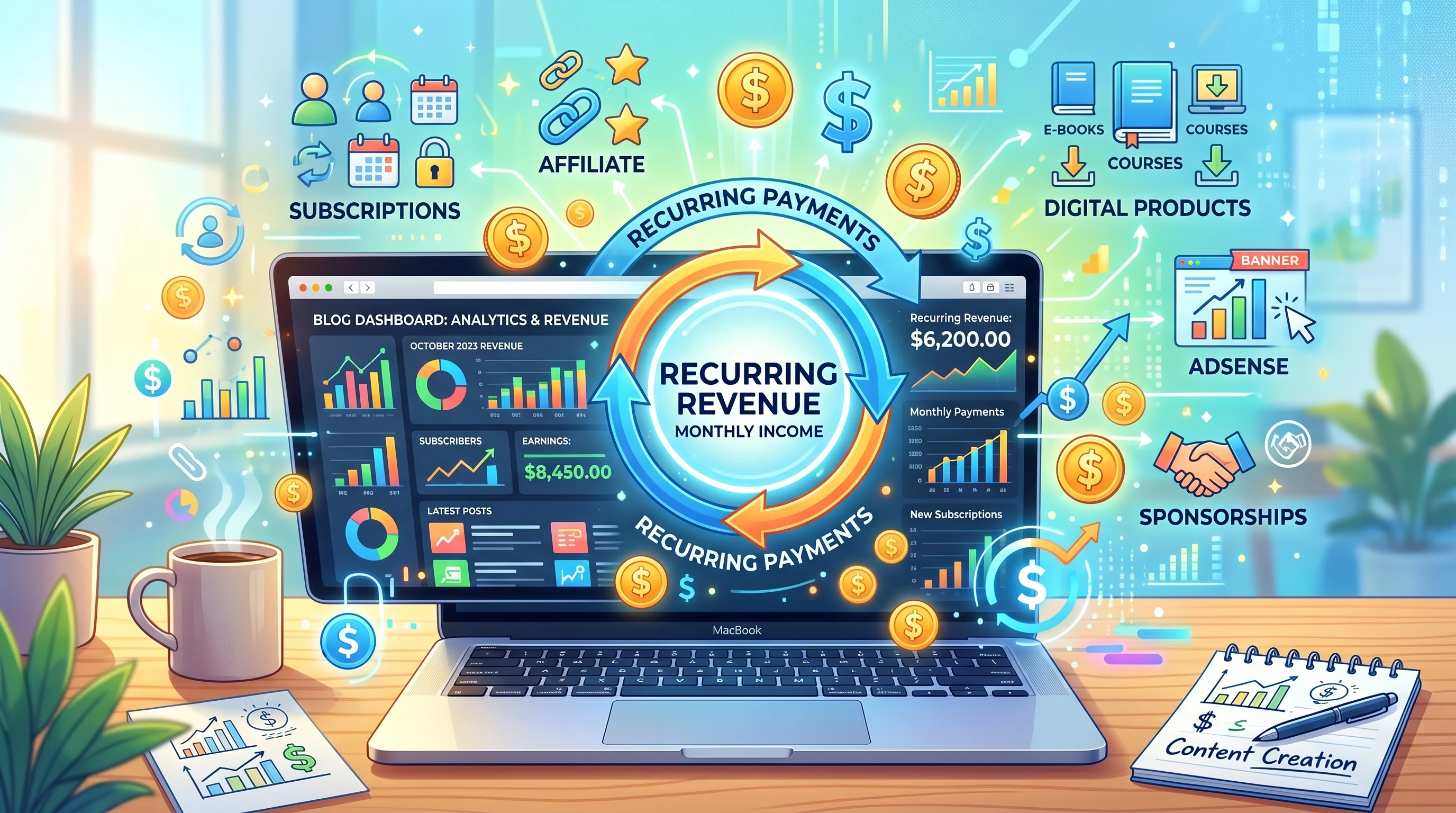
Illustration of a blog page surrounded by digital money icons and monthly cycle arrows.

What Is Recurring Income for Bloggers?

Recurring income means earning consistent payments over time for work you’ve already done or set to run automatically. Unlike sponsored posts or ad deals that hand you one check and move on, recurring income is designed to gradually grow and stick around way after the initial setup.

This setup is a lifesaver if you want peace of mind that your pay won’t drop to zero just because you take a break or hit a creative block. It also gives bloggers the freedom to come up with great articles, courses, or products—with less pressure to always hustle for the next quick payday.

Popular Recurring Income Streams for Bloggers

I’ve tested and seen plenty of recurring income ideas play out. Here are some popular and steady ways bloggers build up these systems:

  • Affiliate marketing for subscription services: Sharing tools, web hosting, apps, or courses that send you a commission every month a reader sticks with their subscription.
  • Membership sites or paid communities: Charging monthly access fees for exclusive content, live Q&A access, or a private discussion group.
  • Digital product subscriptions: Selling resource libraries, bundle packs, or exclusive newsletter archives on a monthly basis.
  • Ad revenue from email newsletters: Running recurring sponsor ads in a weekly or monthly newsletter for a consistent payday from advertisers.
  • SaaS tools or plugin sales: Offering your own apps or plugins with a subscription setup—monthly or yearly.

Getting Started: Key Steps for Bloggers

Switching from single-pay gigs to recurring income takes a little planning, but it’s honestly less confusing than it looks. Here’s what I suggest for bloggers ready to get these streams up and running:

  1. Pick a solid recurring income model: Start by figuring out which approach fits your crowd—could be a membership site, an affiliate setup, or maybe a product subscription.
  2. Test your audience’s interest: Ask your readers (through polls, surveys, or email) what they’d actually pay for. Getting a sense of real demand up front saves a ton of headaches.
  3. Create or select offers: If you’re opting for affiliate revenue, join programs that include renewals. For your own products or memberships, focus on something you can deliver monthly and that actually fits what your readers need.
  4. Set up payment and delivery systems: Use platforms like Gumroad, Podia, or Patreon for memberships and digital goods. Promoting affiliate deals? Double-check the brands actually track ongoing referrals and pay consistently.
  5. Promote and fine-tune: Once things are live, share through your blog, email list, and social channels. Keep the feedback loop open and be ready to adjust your offers.

Recurring Affiliate Programs: Why They’re Worth Your Time

Affiliate marketing is a classic way for bloggers to get steady income. The trick is focusing on products or services with built-in subscriptions—think email marketing platforms, software, or online training communities. Not every affiliate program does recurring payouts though, so read the details closely before jumping in.

One of the best recurring affiliate programs I’ve used is Wealthy Affiliate. They send you monthly commissions for every active referral you provide. This means you keep getting paid as long as your signups stay members. For me, it’s way less stressful than chasing down new one-off sales every month. The program also offers solid training and resources, so you know your readers won’t hit a scammy or complicated wall.

Wealthy Affiliate: An Opportunity Worth Checking Out

I’ve recommended Wealthy Affiliate to plenty of fellow bloggers—especially those just starting out with affiliate marketing or looking for a solid source of recurring income. Here’s why it stands out for me:

  • The training on making money with affiliate marketing is clear and easy to follow, even for newbies.
  • You can join as a free member and get a hands-on feel before spending anything. That makes it easy to recommend for readers who might be on the fence.
  • Payments are recurring and on time, so you don’t have to stress about delays or missed payouts.
  • There’s solid support and a helpful community, meaning you’re never really stuck with questions.

If you’re serious about bringing recurring income into your blogging adventure, programs like Wealthy Affiliate are worth looking at. Check out the official Wealthy Affiliate site here if you want to dig into the details.

Making Membership Sites Work

Membership sites might seem intimidating, but you can pull them off even as a solo blogger. All you really need is content that your core readers care about enough to support monthly, plus a simple system for signups and content delivery.

I actually started simple myself—one premium post each week, plus resource downloads and a monthly Q&A hangout. Even a modest-sized group can pull in hundreds in extra monthly income. As your reputation grows, word-of-mouth often helps these projects to scale up naturally. Tools like Patreon and Podia make the tech side pretty painless, so you don’t need to be a coder or tech genius to launch.

What Makes Memberships Attractive?

Memberships work well for loyal readers who want close-up access to your advice or exclusive goodies. As long as you keep the value coming, share fresh content, and engage with your members, they’ll usually stick around month after month.

Monetizing Email Newsletters for Recurring Revenue

Your email list might just be the most under-the-radar tool you own as a blogger. Send out a regular newsletter and you could rack up recurring income through:

  • Selling recurring ad placements to sponsors that want regular exposure
  • Charging for a premium “insider” edition of your newsletter
  • Bundling exclusive downloads, printables, or checklists in a monthly paid email

This approach hinges on consistency: If your newsletter keeps sharing unique value or sharp insights, readers will support you—and even pay a monthly fee to get more.

Common Mistakes to Avoid With Recurring Income

Building recurring revenue options can feel daunting because of all the routes you can take. Here are some classic mistakes I wish I’d sidestepped sooner:

  • Choosing the wrong product or offer: If an affiliate program doesn’t have a great reputation or the product feels overpriced, it’s tough to keep users active over time.
  • Overpromising with memberships: It’s tempting to promise too much. Start with just a few high-impact benefits and grow from there, instead of stretching yourself thin.
  • Ignoring payment systems: A messy setup here can lead to payment gaps or unhappy subscribers down the line. Always double-check your whole payment and delivery flow.
  • Not checking your results: Use basic analytics to spot what’s working—track signups, cancellations, and average customer value so you can adjust on the fly.

Skills and Mindset Bloggers Need for Long-Term Recurring Earnings

None of this is about luck. Building recurring streams means understanding your audience, delivering value month after month, and not getting discouraged if the first round doesn’t take off. The key qualities I’ve found crucial include:

  • Patience, since recurring systems start slow but ramp up over time
  • Openness to feedback, with a willingness to change up your offers
  • A knack for picking affiliate partners, software, and payment tools wisely
  • Focus on reader trust—you’ll only get steady sales if your community knows you’re honest and recommending tools that help

Frequently Asked Questions About Recurring Blogger Income

I get asked these a lot by bloggers thinking of setting up recurring streams:

How much could I actually make?
Some bloggers get their first $50-100 a month through recurring streams, but the numbers can grow to thousands if you keep building your audience and product range.


Is a big audience necessary?
Huge numbers help, but even just a few hundred loyal fans is enough for steady, recurring results if your offers fit their needs.


Where do I start if I’m brand new?
Pick a single recurring income strategy—affiliate, email newsletter, or a simple membership. Set it up well, promote it to your most engaged readers, and keep things focused. Trying to do everything from day one will exhaust you!


Final Thoughts on Building Recurring Blogger Income

Setting up recurring income streams is one of the best moves I’ve made as a blogger. It gives you more flexibility, less financial worry, and helps you build an online business that pays off long after you publish your content. If I had to give just one piece of advice, it’s this: Start simple—choose one recurring model, keep it achievable, and focus on showing up with value consistently. Over time, those monthly payments add up, offering you the freedom to build your blog on your own terms and tap into your true potential.

Here’s a little transparency: Our website contains affiliate links. This means if you click and make a purchase, we may receive a small commission. Don’t worry, there’s no extra cost to you. It’s a simple way you can support our mission to bring you quality content.

Affiliate Content For Beginners

Affiliate content is a popular way for beginners to earn money online. With the basics in place, it’s totally possible for anyone to build income streams just by recommending products or services. If you’re new to this area, I’ve pulled together a simple, straightforward guide to get you started with confidence and clarity.

Affiliate content symbols and digital product icons arranged around a laptop

What is Affiliate Content?

Affiliate content is any type of online material, such as blog posts, reviews, videos, or social media updates, that helps promote someone else’s products or services. In exchange, the creator earns a small commission on resulting purchases or clicks. These links are what people usually call “affiliate links.”

I find this pretty handy, especially for those just dipping their toes into making money online without the complexity of holding inventory or shipping products. Lots of major online retailers and service providers run affiliate programs. By signing up, you can use special tracking links in your content to get rewarded when people take action based on your recommendations. Your role is simply to share your honest opinions and make recommendations—no need to handle products or logistics.

Why Affiliate Content is a Great Starting Point

Getting into affiliate content comes with some cool perks. You’re not responsible for developing products, handling returns, or customer support. Once your content is up and running, it keeps working for you around the clock. That’s what makes affiliate content a good pick for those seeking passive income opportunities.

According to Statista, affiliate marketing spending in the United States is projected to reach over $8 billion in 2024. The growing popularity isn’t just a trend; it’s backed by how accessible digital content creation has become. With just a website or even a social media account, you can participate in the affiliate economy.

What really sets affiliate content apart is how practical it is for people with different interests, ages, and backgrounds. Many programs require little to no prior experience, so your learning curve can be manageable. There’s also a community of like-minded creators to connect with as you go.

First Steps: Picking a Niche and Platform

The first place to start is choosing a niche. A niche is a focused topic area that helps you decide what products you’ll promote and the people you’ll reach. I always recommend picking a niche that genuinely interests you since you’ll spend a lot of time researching and creating content on it.

  • Focus on your hobbies or expertise: Think about what you enjoy, what you already know a lot about, or what you’re excited to learn. It could be anything from personal finance to baking to tech gadgets.
  • Check demand and competition: A quick search online will show if people are actively looking for information on this topic and if there’s room for your voice in the space.

Once you have a niche, it’s time to decide where to post your affiliate content. Popular options include:

  • Blogging: Perfect for anyone who likes writing and building resources over time.
  • YouTube: If you’re comfortable on camera, tutorial and review videos are great for affiliate marketing.
  • Social media: Platforms like Instagram, TikTok, and Pinterest offer quick ways to share affiliate products through posts or stories.

It’s a good idea to start with one platform and get comfortable before branching out. This helps you avoid feeling overwhelmed and allows you to really get to know your audience. The skills you pick up with one platform will translate to others, so you can always expand later.

How Affiliate Links Work

Affiliate links track traffic and sales generated from your content. When you sign up for an affiliate program, you’ll get your own special URLs that include unique tracking codes. When someone clicks your link, cookies are usually placed in their browser for a set period, often 24 hours to 30 days. If they purchase within that window, you get credit for the referral.

This process is automatic, so you don’t have to handle anything manually. Most affiliate programs have dashboards where you can check how many clicks, sales, or leads you’ve generated. It’s a good idea to check these regularly to see what’s working best in your content. You might spot trends over time and adjust your content approach for better results.

Common Types of Affiliate Content For Beginners

Getting started with affiliate content doesn’t mean you have to get into every style at once. Here are a few easy formats I’ve found helpful for beginners:

  • Product Reviews: Share your honest opinion about products you’ve used. People trust reviews from real users, and these often get good search traffic.
  • How-To Guides: Show people how to solve a problem using a product. For example, “How to Set Up a Home Coffee Bar (with Product Links).”
  • Resource Lists: Curate a list of your favorite tools or products. These roundup posts do well since readers find them super helpful for decision-making.
  • Comparison Posts: Compare two or three similar products side by side. This helps buyers figure out what fits their needs best.

As you experiment with different content formats, you’ll learn which ones connect most with your audience. Mixing things up can also keep your site or feed interesting and encourage regular readers to check in for new ideas.

Quick Start Guide: Launching Your First Affiliate Content

Getting your first affiliate content live can feel like a big leap, but breaking it down into steps makes everything easier.

  1. Pick Your Product: Choose something you’ve used or can research thoroughly so your insight feels real and reliable. Don’t be afraid to look up product reviews, technical specs, and FAQ pages to flesh out your knowledge.
  2. Join an Affiliate Program: Register with programs that fit your niche, like Amazon Associates or ShareASale. It’s usually free and quick. Many programs send helpful tutorials or tips for getting started.
  3. Create the Content: Write a review, film a video, or design a post featuring the product. Make sure to include your unique affiliate link where relevant. Try to show, not just tell—demonstrate the product in action or provide specific examples of how it makes a difference.
  4. Disclose Your Relationships: Let your readers know you earn commissions from links. This keeps your content transparent and builds trust. A simple note at the beginning or end of your content is usually enough.
  5. Measure and Improve: Check your affiliate dashboard to track clicks and sales, and update your content based on performance. If a product isn’t clicking with your audience, it’s fine to switch it out or revise your approach.

Don’t worry if your first post doesn’t become an instant best-seller. It can take time for content to get noticed and start producing results. Focus on creating helpful, practical posts that address real audience needs.

What to Watch Out For: Pitfalls & Common Challenges

  • Overpromoting: Avoid stuffing too many links or sounding too “salesy.” Readers pick up on content that’s inauthentic and may tune out.
  • Choosing Poor Products: Only recommend things you stand by. If someone has a bad experience with something you suggested, your credibility takes a hit.
  • Ignoring SEO: Affiliate content relies on people finding your recommendations. Using keywords naturally and thinking about search intent helps your posts get discovered in Google.
  • Program Rules: Read each affiliate program’s guidelines. Breaking the rules, such as using certain types of advertising or omitting proper disclosures, can get your account shut down.

Staying Consistent With Your Voice

Your readers keep coming back for your unique take, so sticking with your own style matters. When I’m writing affiliate content, I always focus on what I wish I’d known before buying, and share honest pros, cons, and experiences. This not only sets you apart but also keeps your audience loyal and interested.

Optimizing for SEO

Affiliate content needs to show up in search results to get any traffic. Here’s how to give your SEO strategy a boost from the start:

  • Focus on keywords your audience would actually type in, such as “best budget headphones” or “coffee maker for small spaces.”
  • Use clear headlines and organized sections so people and search engines can quickly scan your content.
  • Link to other reputable resources or articles to help your readers and show you’ve done your homework.

Think about the questions your audience might be asking. Use simple language, and address those needs directly in your content. Consistent SEO habits increase the chances your posts will reach the right eyes.

Real-Life Examples of Affiliate Content Earning

I’ve seen a bunch of beginners make real progress just by starting with what they know. For instance, someone passionate about home fitness might create weekly reviews about budget exercise gear, linking to products across different retailers. These small posts add up, and after a couple of months, they notice regular commissions coming in.

Others succeed with tech tutorials, like building a “how to set up your first smart home” guide and mixing in affiliate links to the gear needed. It’s all about answering people’s questions and showing how the products genuinely fit their needs. Some new creators even collaborate with friends to grow their content faster and cover more ground together.

FAQs: Affiliate Content For Beginners

Question: Do I need a blog to start with affiliate content?
Answer: Not at all. While blogs are a classic option, you can use YouTube, Instagram, TikTok, or even an email newsletter to share affiliate links. Just pick the platform you’re comfortable with and where your audience hangs out.


Question: How much money can I make with affiliate content?
Answer: Income varies a lot. Some earn a few dollars a month when starting out, while others pull in enough for a side hustle or more. It depends on your niche, audience, and consistency. Focusing on high-quality, helpful content is the quickest way to grow your earnings.


Question: Is affiliate marketing legal?
Answer: Yes, but make sure you disclose your affiliate relationships to your audience. This is required by law in many places and helps build reader trust.


Best Practices for Beginners

  • Always Prioritize Value: Your main job is to help your audience, not just chase commissions. When you lead with value, the commissions naturally follow.
  • Stay Up to Date: Affiliate programs, policies, and payouts sometimes change. Check in on your programs and keep your links updated for the best results.
  • Test and Refine: Try different types of content, measure what performs best, and don’t be afraid to change your approach as you learn what works.

Anyone can kick off an affiliate content adventure with just a little upfront research and a willingness to share helpful, honest advice. With patience, consistency, and a real focus on your audience, affiliate content can become a fun and practical way to start earning online. You’re free to get creative and build income around your passions—all while doing what you love and helping others make better choices.

How To Promote Affiliate Products Effectively

If you’re looking to turn your online presence into a source of income, promoting affiliate products is a smart way to get started. The affiliate world can seem a bit overwhelming at first, but with the right approach, it’s completely doable—even if you’re new to it. I’m going to walk you through some proven strategies that help you boost sales, connect with your audience, and actually enjoy the process.

Bright and eye-catching flat lay of a modern workspace with a laptop, affiliate marketing charts, and digital campaign icons like a megaphone and shopping cart.

Understanding Affiliate Marketing Fundamentals

Affiliate marketing works by sharing or recommending products from other companies and earning a commission every time someone makes a purchase through your unique link. It’s all about trust and value. No matter what niche you’re in, clear recommendations and genuine content are what really help you stand out.

Some top affiliate programs, like Wealthy Affiliate, provide beginner friendly tools, training, and plenty of support. Both platforms help you learn how to pick the right products, set up your website, and track your performance, so you’re not left guessing.

There’s no “one size fits all” strategy in affiliate marketing. Some people make most of their sales through blog posts, while others find social media or email marketing works best. Figuring out what clicks with your audience will make things a lot more effective.

Building a Foundation for Affiliate Success

Jumping into affiliate marketing without a plan is like wandering into the woods without a map. You’re likely to end up lost. Here’s what you need in place before you get into the details.

  • Pick a Niche You Actually Like: Promoting products you’re interested in makes it easier to create content and keep your recommendations real. People can tell when you’re authentic, and that trust goes a long way.
  • Set Up Your Platform: Most affiliate marketers start with a website or blog. It’s your online home. Wealthy Affiliate give you website building tools to help you get online fast, even if you have no experience.
  • Understand the People You’re Reaching: The more you know about your audience—what they want, what they worry about—the better you can match them with products they’ll love.

Smart Ways to Promote Affiliate Products

The best affiliate marketers use a mix of methods to get their links in front of the right people. Here’s what works for most folks, with some practical tips for each approach.

  • Create Useful Blog Posts: Answer questions or solve problems your readers face. Product reviews, howto guides, and “best of” lists are classic formats that work because they provide value and naturally fit affiliate links.
  • Use Social Media: Platforms like Instagram, Facebook, and TikTok are packed with potential buyers. Short videos, stories, and helpful posts that introduce a product in a casual way can nudge followers to check out your links. Always add a quick disclosure when you share an affiliate link. It keeps things transparent and builds trust.
  • Start an Email List: An email list gives you a direct line to people genuinely interested in what you offer. Send helpful tips, exclusive recommendations, and occasional product suggestions. Wealthy Affiliate talk a lot about how powerful email marketing can be, and I’ve found it super useful myself.
  • Make Video Content: Platforms like YouTube are perfect for product demonstrations and walkthroughs. Videos make it easy to show real results and connect with your audience in a personal way.

Step-by-Step Action Plan to Get Started

  1. Sign Up for a Good Affiliate Program: Wealthy Affiliate are beginner friendly places to start. They offer training that helps new marketers break through the confusion and set up their first campaigns.
  2. Pick a Product That Fits Your Audience: Choose items or tools that your ideal reader or follower will find genuinely useful. It feels a lot more natural to include product links when you really believe in what you’re sharing.
  3. Create Content That Helps: Focus on answering common questions, solving problems, or providing detailed information about the product. For example, if you’re recommending a book Affiliate Marketing For Dummies ( It’s a good read) write about how it helped you, what you liked, and any tips that might help others.
  4. Promote Content in Multiple Places: Share your posts on Pinterest, Twitter, Facebook groups, or forums where your audience hangs out. Don’t just post links. Add helpful comments, start a conversation, and be friendly.
  5. Track Your Results: Look at clicks and sales with your affiliate dashboard. Check which topics or platforms get the most love and double down on what’s working.

Roadblocks You Might Hit, and How to Handle Them

Affiliate marketing sounds straightforward, but it comes with a few common sticking points. Knowing these ahead of time helps you stay ahead of the game:

  • Getting Traffic Takes Time: Google doesn’t hand out lots of traffic to new sites right away. Sharing your posts on social media and being consistent with content is the long game, but it really pays off. The training at Wealthy Affiliate covers traffic strategies that work even for total beginners.
  • Picking the Right Products: If you recommend stuff just to make a quick buck, your audience won’t stick around. Test out products yourself when you can, or read real reviews before you share a link. Both Wealthy Affiliate and ecomearns.com urge honesty. It’s super important.
  • Keeping Up with Trends: Affiliate offers change, and some niches get really crowded. Use the training you get (especially at Wealthy Affiliate) to watch trends, update your content, and make sure your links still work.
  • Following the Rules: Each platform and country might have its own disclosure and privacy rules. Always tell people your link is an affiliate link. This keeps your audience trusting you and avoids any rule breaks.

Traffic Challenges

Early on, traffic can be a slow crawl. Even if your content is top-notch, it takes some time for people to find you. Use keyword tools, learn SEO basics, and share your stuff in newsletters and relevant communities to nudge your numbers up. Wealthy Affiliate focuses on these strategies a lot. I picked up some super useful habits from their training that boosted my site views over time.

Choosing Trustworthy Products

Pushing random products almost never works out. Take a little time to use what you promote or at least get into trustworthy reviews. Readers can tell when you’re hyped up about something you actually like versus just chasing a commission. I’ve seen better results (and more fun) when I only talk about things I’d recommend to a friend.

Trends & Offer Changes

Affiliate links and programs switch up all the time. Bookmark your dashboards and do a quick check once a month to keep your links fresh. Staying active in affiliate communities like those at Wealthy Affiliate puts you in the loop when something changes.

Following Rules and Disclosures

All the big affiliate platforms—Amazon and Wealthy Affiliate—ask you to use clear disclosure language. A simple line saying “I may earn a commission if you buy through this link” is all you need, but don’t skip it.


These challenges aren’t deal breakers if you plan ahead, use the available training, and stay honest in your approach. Building up your affiliate income is a slow build, and it’s a lot more fun when you’re learning and connecting along the way.

Next-Level Techniques to Grow Your Affiliate Earnings

Once you’re up and running, there are a few approaches you can lean on to scale your results. Here are some things I found really useful as I took things up a notch:

Test Multiple Products: Don’t be afraid to compare different tools or services in your content. People love “comparison” blog posts and videos that lay out pros and cons side by side.

Build Authority in One Niche: Consistency pays off. Sticking with a theme helps Google (and people) know what you’re about. Wealthy Affiliate’s community is packed with marketers who’ve seen better commissions by owning their topic and becoming the go-to source.

Make the Most of SEO and Keyword Research: Understanding keywords helps your content show up in search engines. Wealthy Affiliate offer up to date training on using keywords to get more eyes on your affiliate links.

Reinvest in Your Tools: As you make a bit of income, consider upgrading your website, getting professional visuals, or unlocking premium training that’s available at Wealthy Affiliate and ecomearns.com can fully recommend.

Mastering these strategies pushes your affiliate business further, giving you better long term results and a community of fellow marketers to cheer you on.


Start Growing Your Affiliate Biz Today

Learning how to promote affiliate products effectively pays off with a steady stream of new opportunities and ongoing income potential. When you find programs and products you care about, share with others in your niche, you’ll be able to grow a business that feels rewarding and genuinely helpful. Jump in, stay curious, and enjoy the adventure!

“Here’s a little transparency: Our website contains affiliate links. This means if you click and make a purchase, we may receive a small commission. Don’t worry, there’s no extra cost to you. It’s a simple way you can support our mission to bring you quality content.”

Online Courses That Create Residual Income

Online courses that create residual income are really catching people’s attention right now, especially with so many folks wanting more control over their earnings and worklife balance. Building up passive income used to mean hefty upfront investments, but now, digital products like online training give anyone a shot at extra cash without needing to constantly trade hours for dollars. If you’re curious about where to start, I’m breaking down how online courses work for earning residual income, tips for setting up a course that keeps paying you, and which niches have serious potential to keep bringing in revenue long after the work is done.

Online learning concept and passive income visualization

Why Online Courses Are Perfect for Residual Income

The coolest thing about online course creation is just how scalable and hands off it can be once you do the initial work. Unlike traditional gigs, you’re not tied to a strict schedule or a single stream of money. You can build a course, put it online, and keep making sales while you sleep. Some markets estimate the online learning industry will be worth over $300 billion in the next few years, so there’s plenty of demand for new courses and fresh ideas.

These courses can be about almost anything: personal finance, coding, fitness, music production, and even really niche skills like drawing digital art or starting an ecommerce shop. People love learning at their own pace, so the right course can become your digital asset that pays you over and over again, no matter where you live or what you do for a living. There’s never been a better time to put what you know out into the world and get paid long after the fact.

Getting Started: How to Build Your First Residual Income Course

The steps for building a profitable online course aren’t all that complicated, but they do need careful planning. Here’s how you’ll want to map things out:

  • Pick a Profitable Topic: Look for a subject you know well and that people are searching for. Tools like Google Trends, Answer the Public, and niche forums help spot hot ideas. Don’t just guess; spend a little time looking for gaps or needs in your chosen area.
  • Outline the Content: Break your topic down into easy, understandable lessons. A simple structure helps learners stay engaged and finish your course, which is good for reviews and repeat business.
  • Choose the Best Format: Video typically works well for most people. Supplement with PDFs, quizzes, or community access if you want to give the value a boost.
  • Record and Edit: You don’t need a pro studio. A quiet room and a decent microphone go a long way, and free tools like OBS Studio or iMovie can handle most editing. Focus on being clear and approachable.
  • Host and Sell: Platforms like Teachable, Udemy, and Thinkific make it easy to upload content and automate sales, payments, and even customer support. This frees up your time to work on other money makers or simply take a break without worry.

Top Niches That Bring In Residual Course Revenue

Some course categories are especially known for consistent earnings, either because there’s high and ongoing demand or they solve problems that people are always willing to pay to fix. Here are several worth checking out:

  • Personal Finance and Investing: Budgeting, investing basics, or cryptocurrency tutorials stay in demand as people keep hunting for smarter ways to manage money. Updating content when the market changes keeps things fresh and your results strong.
  • Tech and Coding: Programming, data science, and digital marketing are booming. These skills lead to direct job opportunities, making course buyers motivated repeat customers. New programming languages or frameworks can be hot course topics if you act early.
  • Health and Fitness: Weight loss plans, yoga routines, or sport specific training are always trending. People value convenience when working out at home, and tailored programs have broad appeal.
  • Business and Side Hustles: How to launch a Shopify store, grow Instagram shops, or master freelance writing. This is great for tapping into people’s dreams of more flexible careers and side money.
  • Arts and Hobbies: Music production, photography, languages, or painting courses gather loyal followings if you carve out a unique angle. Don’t overlook less glamorous crafts, as those can also attract dedicated learners looking for niche skills.

How Affiliate Marketing Powers Even Greater Residual Income

Online courses don’t have to stand alone. One really smart way to boost what you earn over time is by adding affiliate marketing to the mix. When you join affiliate programs, you get paid commissions for recommending other tools, software, or products your students may need.

Affiliate marketing is pretty handy for a few reasons. For one, there’s no risk of holding inventory or needing to ship anything. It’s about sharing helpful resources you’d probably talk about anyway. People trust recommendations from course creators they like, so adding affiliate links for books, software, or advanced training in your course materials can become a steady extra income source, even if you don’t add new lessons or spend extra time on support.

This model works especially well in tech, investing, creative arts, and ecommerce training. There are plenty of programs out there, from Amazon Associates to specific SaaS tools. For example, if you teach a video editing course, pointing students to your favorite software with an affiliate link can bring a small commission each time someone signs up. Over time, those clicks add up, especially as your student base grows—and you only set it up once.

Overcoming Hurdles: What to Watch Out For

Online courses can sometimes seem like “set it and forget it” projects, but they come with a few hurdles you’ll want to steer through. Here are some main ones and a bit of friendly advice for each:

  • Market Too Small (or Too Crowded): Super broad courses often get lost in the competition, while really narrow subjects might not draw an audience. It helps to focus on a niche that’s specific enough to attract dedicated learners but not so tiny that you struggle to make sales. Think about what makes your take different.
  • Updates and Support: Courses might need updates as tools, apps, or industry best practices change. Decide upfront how much ongoing support you want to provide, and let students know what to expect so everyone stays happy.
  • Promotion Strategy: Creating a course is only half the job. Consistent traffic through SEO, blogging, or partnerships keeps your funnel healthy. Email marketing is helpful for reminding past students about new offers or updates—don’t let your connections go cold.
  • Course Quality: Bad audio, confusing lessons, or outdated info can trigger refunds and bad reviews. Take a bit more time to plan your lessons, script your videos, and doublecheck your materials; it pays off in student satisfaction and word of mouth.

How to Handle Support and Course Updates

While online courses can largely be passive, students might need the occasional hand or want new info as technology, laws, or tools evolve. Setting up a clear FAQ section, using evergreen content where possible, and scheduling material reviews a couple times a year helps keep things lowstress and modern. Platforms often let you broadcast updates to all enrolled students, which is useful for building loyalty and encouraging positive feedback.

Simple Advanced Tips: Boost Your Residual Income

You don’t need to turn into a tech wizard to make your course a better moneymaker. Here are some smart ideas worth trying out to give your earnings a boost:

Add MiniCourses or Upsells: Once someone finishes your main course, offer a related minicourse, template pack, or exclusive coaching for an extra fee. These smaller products can drive up the lifetime value of each student.

Automate Everything: Most platforms handle payments and delivery out of the box, but you can also automate email reminders, feedback surveys, and followup promotions using tools like Mailchimp or ConvertKit. Automation equals more time for you and less fuss in the day to day.

Encourage Community Sharing: Set up a simple Facebook group or private Discord to help students connect. Not only does this keep them involved, but they might also bring in more new students through word of mouth. Growing your community beats chasing new leads one by one.

Quick FAQ: Your Residual Income Course Questions Answered

Here are a few questions that pop up a lot from people looking to get into online course creation:

Question: Do I need to be an expert in my field to create a course?
Answer: It helps to know more than your average beginner, but you don’t need a PhD to get started. Sharing your experience and being honest about your level is usually enough. As you teach, you’ll keep learning, which can help future updates.


Question: Can I really earn income while doing other things, or is that just hype?
Answer: Residual income from online courses is real, especially once you build up a few quality courses and automate your promotion. The money isn’t always massive right out the gate, but it often builds up as more people enroll and reviews start coming in.


Question: Do I need fancy gear or a dedicated studio?
Answer: Not at all. Your phone or a basic webcam and microphone are plenty for most starter courses. Good lighting and clear instruction matter a lot more than expensive setups, and simple usually works best for beginners.


Real World Examples of Residual Course Income

Plenty of creators start with just one or two courses and end up with ongoing monthly income that snowballs over time. For example, someone might launch a simple “intro to spreadsheets” course on Udemy that earns sales for years, or a certified trainer could build a set of advanced yoga routines and sell access via their own site using Teachable.

  • An art teacher records a digital drawing basics course, posts it on Skillshare, and continues to earn from thousands of students every year without any direct oneonone teaching time.
  • A financial advisor creates a budgeting bootcamp, adds affiliate links for partner banks and budgeting software, and gets commissions and new course signups each month, all without extra live coaching hours.

Success stories like these really show that a little upfront effort can go a long way toward creating some much appreciated breathing room in your budget, all without climbing a corporate ladder or punching a time clock every day. With automation and a little ongoing attention, these sources of income not only supplement your earnings but can slowly grow into substantial revenue streams as your audience grows.

Wrapping Up

Online courses that create residual income are a great way to put your skills out into the world, help others, and stake out a source of income that could pay off for years. Picking in demand topics, focusing on high quality lessons, and mixing in affiliate marketing set you up for solid results without being chained to your desk. This approach is practical, accessible, and works well both for side hustles and for folks looking to completely switch up how they earn a living. If you’re up for the challenge, now’s the perfect time to start building your own digital income stream and let those skills keep working for you long after launch.

“Here’s a little transparency: Our website contains affiliate links. This means if you click and make a purchase, we may receive a small commission. Don’t worry, there’s no extra cost to you. It’s a simple way you can support our mission to bring you quality content.”

Residual Income From Affiliate Marketing

Stacks of gold coins growing next to a laptop, representing passive affiliate marketing income

Building residual income with affiliate marketing is one of the cleverest ways to generate ongoing revenue online. After plenty of trial and error, I’ve seen first-hand how affiliate links, when paired with the right strategies, keep paying long after the initial push. The concept is pretty straightforward: promote a product or service once, and if all the parts fall into place, you keep earning commissions any time someone makes a purchase through your link—even months or years later.

This kind of passive income isn’t about getting rich overnight. It’s all about building slowly and making smart choices. Even if you’re starting out, the basics aren’t hard to get the hang of, and you can begin ramping things up as soon as you set a strong foundation. The right platform, like Wealthy Affiliate, really makes this process smoother and gives you tools that help every step of the way (I’ll explain how they do this in a bit).

If you’ve ever dreamed of making money in your sleep, or simply crave more financial wiggle room, affiliate marketing offers a real path forward. Let’s jump in and check out how it works, why people love it, and exactly how you can start building a stream of your own residual affiliate income.


What Is Residual Income in Affiliate Marketing?

Residual income in affiliate marketing means you keep earning commissions over time from promotions you set up earlier. For instance, if you share an affiliate link in a blog post, YouTube video, or email sequence, you may keep getting commissions days, weeks, or years later, as long as those links get traffic and keep driving sales.

There are a few main ways people end up building residual income with affiliate marketing:

  • Recurring commissions. You earn a commission each month someone stays subscribed or keeps using the service you recommended. Think website hosting or SaaS tools—with monthly billing cycles.
  • Evergreen content. Blog posts, guides, and videos that pop up in search and keep attracting readers, and sales, often without needing regular updates.
  • Long cookie durations. Some affiliate programs track referrals for months after someone clicks your link and give you credit if they buy later.

When these parts stack up, you can end up with a reliable stream of commissions that require far less day-to-day oversight. That’s the magic of it.


Why Residual Income From Affiliate Marketing Matters

When I started out, what hooked me was the idea that my work could keep paying off well into the future. No more trading hours for pounds sterling—now I was building something that could grow and last. Here’s why I’m all-in on this approach:

  • Flexibility. You’re not stuck at a desk or limited to a strict schedule. That opens up room for a more balanced lifestyle.
  • Scalability. As soon as you figure out what works, you can copy the process for new topics and products, building out your income stream.
  • Passive potential. After publishing your content and setting up systems, the commissions can keep rolling in even while you’re on vacation. That’s hard to beat for most online gigs.
  • Low startup costs. No inventory, no shipping drama. All you truly need is a website to kick things off.

Best of all, being able to help people solve problems or find the right tool earns trust—and that trust fuels repeat earnings over time.


How to Build Residual Affiliate Income Step by Step

This process is straightforward, but effectiveness comes down to doing each step thoughtfully. Here’s how I approach affiliate projects to set the stage for ongoing earnings:

1. Choose Evergreen Niches and Products

Target topics that are steady and always in demand, rather than short-lived fads. Health, personal finance, online services, and anything people will always need are great bets. Prioritize affiliate programs offering recurring payments or long cookie windows for maximum long-term value.

2. Create Evergreen Content

Focus on reviews, tutorials, resource roundups, and evergreen guides that people will still be searching for a year or two from now. Solid SEO (search engine optimization) helps your work show up in Google consistently, so you don’t need to constantly update it to keep earning.

3. Build and Nurture Your Audience

An email list is essential here. When you promote your best content to new subscribers, set up automatic email sequences, and always aim to deliver value, trust grows quickly. People who trust you stick around longer and are more likely to click your links (and buy) consistently.

4. Track and Optimize Your Efforts

This step is always ongoing. Use tracking links to get insights on what’s working, check your traffic and conversion data, and adjust content or campaigns to give a boost to what performs well. Testing new products or fresh approaches often leads to more revenue than you’d expect.

Don’t forget—a little patience goes a long way. Results stack up, even if it feels slow at first.


Why Wealthy Affiliate Is Worth Considering

I put together my first affiliate attempts using bits and pieces from random websites, which worked okay, but Wealthy Affiliate took things up a notch. Here’s what stands out about what they offer:

  • Step by step training. Each lesson spells out how to build a website, do keyword research, apply SEO, and start launching affiliate campaigns. Even if you’re new, you’ll never feel lost.
  • Website tools included. With hosting and site building tools right inside the platform, you can skip the tech headaches and focus on content.
  • Supportive community. If you get stuck, there’s always someone to ask or a solution to find. That sense of camaraderie is motivating and keeps you moving forward.
  • Weekly live training. Regular updates and deep dives into what’s working right now make sure you always have fresh, up-to-date knowledge.

If you want an all-in-one affiliate platform—a place to learn, build, and get support—Wealthy Affiliate is a strong choice.


Wealthy Affiliate’s Affiliate Program: Financial Benefits

Besides helping you get started, Wealthy Affiliate also features a strong affiliate program of its own worth promoting. Here’s why you should take a closer look:

  • Recurring monthly commissions. For every referral who joins as a paid member, you get a commission each and every month they stay. This sets up a reliable stream that grows bigger the more people you refer.
  • Generous payouts. The commission rates on premium upgrades are competitive, and there are extra bonuses available for hitting higher milestones.
  • Long cookie life. Their system tracks your referrals for a long time, so even if someone delays signing up, you’ll still earn the credit.
  • Dedicated bootcamp training. They provide focused training, ready-to-use materials, and battle-tested strategies tailored for promoting their program—ideal if you’re new and want to avoid reinventing the wheel.

For newcomers, promoting Wealthy Affiliate alongside other proven affiliate programs is a way to make some money while learning the ropes. Since their commissions are recurring, even a handful of signups can snowball into meaningful monthly income over time.


Common Questions About Residual Affiliate Income

How long does it take to start earning?

Your timeline will vary based on your niche, audience, and how consistently you post. Some people notch their first commission in weeks; for others, it takes a bit longer. The trick is to stick with it—momentum builds as you keep going, and small wins eventually stack up.

Do I need a blog or website?

While it’s possible to use YouTube or social media, a website gives you more freedom and control for publishing evergreen, searchable content. Wealthy Affiliate includes web hosting and easy website builders to remove lots of the guesswork and tech hassles.

What if I’m not tech savvy?

Most platforms today are made for beginners. If you know how to use email and can follow a step-by-step guide, you’ll do just fine. Plus, communities like Wealthy Affiliate are always ready to answer questions and help untangle any confusion along the way.


Getting Started With Your Own Residual Affiliate Income

  1. Pick an evergreen topic you’re interested in, with strong affiliate programs attached.
  2. Set up a simple website—ideally on a platform like Wealthy Affiliate, which smooths the way for building and learning fast.
  3. Publish genuinely helpful content that uses keywords people are actually searching for.
  4. Add your affiliate links tastefully within your reviews, tutorials, or roundups, making sure they fit the content.
  5. Build an email list to keep in touch with your audience and boost your long-term earning muscle.

Residual income from affiliate marketing shines brightest when you center your efforts on trust, evergreen content, and recurring commission programs like Wealthy Affiliate’s. Put in the work early, and watch your passive, dependable income grow over the months and years ahead.

The world’s most successful affiliate marketing training platform. Join 2.9M+ entrepreneurs building their online business with expert training, tools, and support.

OPEN A FREE ACCOUNT AND JOIN TODAY


Here’s a little transparency: Our website contains affiliate links. This means if you click and make a purchase, we may receive a small commission. Don’t worry, there’s no extra cost to you. It’s a simple way you can support our mission to bring you quality content.”