
Affiliate content is a popular way for beginners to earn money online. With the basics in place, it’s totally possible for anyone to build income streams just by recommending products or services. If you’re new to this area, I’ve pulled together a simple, straightforward guide to get you started with confidence and clarity.
What is Affiliate Content?
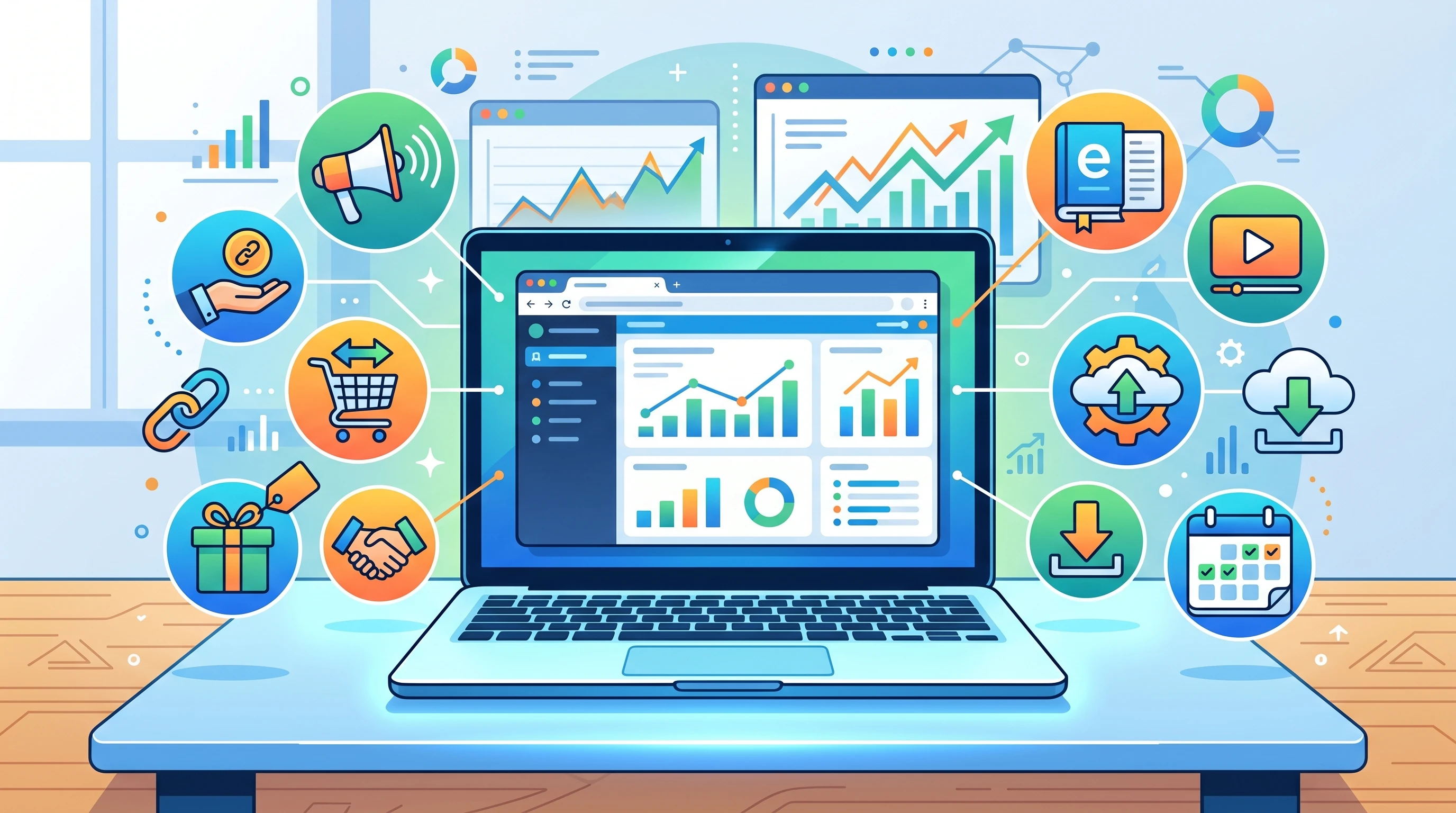
Affiliate content is any type of online material, such as blog posts, reviews, videos, or social media updates, that helps promote someone else’s products or services. In exchange, the creator earns a small commission on resulting purchases or clicks. These links are what people usually call “affiliate links.”
I find this pretty handy, especially for those just dipping their toes into making money online without the complexity of holding inventory or shipping products. Lots of major online retailers and service providers run affiliate programs. By signing up, you can use special tracking links in your content to get rewarded when people take action based on your recommendations. Your role is simply to share your honest opinions and make recommendations—no need to handle products or logistics.
Why Affiliate Content is a Great Starting Point
Getting into affiliate content comes with some cool perks. You’re not responsible for developing products, handling returns, or customer support. Once your content is up and running, it keeps working for you around the clock. That’s what makes affiliate content a good pick for those seeking passive income opportunities.
According to Statista, affiliate marketing spending in the United States is projected to reach over $8 billion in 2024. The growing popularity isn’t just a trend; it’s backed by how accessible digital content creation has become. With just a website or even a social media account, you can participate in the affiliate economy.
What really sets affiliate content apart is how practical it is for people with different interests, ages, and backgrounds. Many programs require little to no prior experience, so your learning curve can be manageable. There’s also a community of like-minded creators to connect with as you go.
First Steps: Picking a Niche and Platform
The first place to start is choosing a niche. A niche is a focused topic area that helps you decide what products you’ll promote and the people you’ll reach. I always recommend picking a niche that genuinely interests you since you’ll spend a lot of time researching and creating content on it.
- Focus on your hobbies or expertise: Think about what you enjoy, what you already know a lot about, or what you’re excited to learn. It could be anything from personal finance to baking to tech gadgets.
- Check demand and competition: A quick search online will show if people are actively looking for information on this topic and if there’s room for your voice in the space.
Once you have a niche, it’s time to decide where to post your affiliate content. Popular options include:
- Blogging: Perfect for anyone who likes writing and building resources over time.
- YouTube: If you’re comfortable on camera, tutorial and review videos are great for affiliate marketing.
- Social media: Platforms like Instagram, TikTok, and Pinterest offer quick ways to share affiliate products through posts or stories.
It’s a good idea to start with one platform and get comfortable before branching out. This helps you avoid feeling overwhelmed and allows you to really get to know your audience. The skills you pick up with one platform will translate to others, so you can always expand later.
How Affiliate Links Work
Affiliate links track traffic and sales generated from your content. When you sign up for an affiliate program, you’ll get your own special URLs that include unique tracking codes. When someone clicks your link, cookies are usually placed in their browser for a set period, often 24 hours to 30 days. If they purchase within that window, you get credit for the referral.
This process is automatic, so you don’t have to handle anything manually. Most affiliate programs have dashboards where you can check how many clicks, sales, or leads you’ve generated. It’s a good idea to check these regularly to see what’s working best in your content. You might spot trends over time and adjust your content approach for better results.
Common Types of Affiliate Content For Beginners
Getting started with affiliate content doesn’t mean you have to get into every style at once. Here are a few easy formats I’ve found helpful for beginners:
- Product Reviews: Share your honest opinion about products you’ve used. People trust reviews from real users, and these often get good search traffic.
- How-To Guides: Show people how to solve a problem using a product. For example, “How to Set Up a Home Coffee Bar (with Product Links).”
- Resource Lists: Curate a list of your favorite tools or products. These roundup posts do well since readers find them super helpful for decision-making.
- Comparison Posts: Compare two or three similar products side by side. This helps buyers figure out what fits their needs best.
As you experiment with different content formats, you’ll learn which ones connect most with your audience. Mixing things up can also keep your site or feed interesting and encourage regular readers to check in for new ideas.
Quick Start Guide: Launching Your First Affiliate Content
Getting your first affiliate content live can feel like a big leap, but breaking it down into steps makes everything easier.
- Pick Your Product: Choose something you’ve used or can research thoroughly so your insight feels real and reliable. Don’t be afraid to look up product reviews, technical specs, and FAQ pages to flesh out your knowledge.
- Join an Affiliate Program: Register with programs that fit your niche, like Amazon Associates or ShareASale. It’s usually free and quick. Many programs send helpful tutorials or tips for getting started.
- Create the Content: Write a review, film a video, or design a post featuring the product. Make sure to include your unique affiliate link where relevant. Try to show, not just tell—demonstrate the product in action or provide specific examples of how it makes a difference.
- Disclose Your Relationships: Let your readers know you earn commissions from links. This keeps your content transparent and builds trust. A simple note at the beginning or end of your content is usually enough.
- Measure and Improve: Check your affiliate dashboard to track clicks and sales, and update your content based on performance. If a product isn’t clicking with your audience, it’s fine to switch it out or revise your approach.
Don’t worry if your first post doesn’t become an instant best-seller. It can take time for content to get noticed and start producing results. Focus on creating helpful, practical posts that address real audience needs.
What to Watch Out For: Pitfalls & Common Challenges
- Overpromoting: Avoid stuffing too many links or sounding too “salesy.” Readers pick up on content that’s inauthentic and may tune out.
- Choosing Poor Products: Only recommend things you stand by. If someone has a bad experience with something you suggested, your credibility takes a hit.
- Ignoring SEO: Affiliate content relies on people finding your recommendations. Using keywords naturally and thinking about search intent helps your posts get discovered in Google.
- Program Rules: Read each affiliate program’s guidelines. Breaking the rules, such as using certain types of advertising or omitting proper disclosures, can get your account shut down.
Staying Consistent With Your Voice
Your readers keep coming back for your unique take, so sticking with your own style matters. When I’m writing affiliate content, I always focus on what I wish I’d known before buying, and share honest pros, cons, and experiences. This not only sets you apart but also keeps your audience loyal and interested.
Optimizing for SEO
Affiliate content needs to show up in search results to get any traffic. Here’s how to give your SEO strategy a boost from the start:
- Focus on keywords your audience would actually type in, such as “best budget headphones” or “coffee maker for small spaces.”
- Use clear headlines and organized sections so people and search engines can quickly scan your content.
- Link to other reputable resources or articles to help your readers and show you’ve done your homework.
Think about the questions your audience might be asking. Use simple language, and address those needs directly in your content. Consistent SEO habits increase the chances your posts will reach the right eyes.
Real-Life Examples of Affiliate Content Earning
I’ve seen a bunch of beginners make real progress just by starting with what they know. For instance, someone passionate about home fitness might create weekly reviews about budget exercise gear, linking to products across different retailers. These small posts add up, and after a couple of months, they notice regular commissions coming in.
Others succeed with tech tutorials, like building a “how to set up your first smart home” guide and mixing in affiliate links to the gear needed. It’s all about answering people’s questions and showing how the products genuinely fit their needs. Some new creators even collaborate with friends to grow their content faster and cover more ground together.
FAQs: Affiliate Content For Beginners
Question: Do I need a blog to start with affiliate content?
Answer: Not at all. While blogs are a classic option, you can use YouTube, Instagram, TikTok, or even an email newsletter to share affiliate links. Just pick the platform you’re comfortable with and where your audience hangs out.
Question: How much money can I make with affiliate content?
Answer: Income varies a lot. Some earn a few dollars a month when starting out, while others pull in enough for a side hustle or more. It depends on your niche, audience, and consistency. Focusing on high-quality, helpful content is the quickest way to grow your earnings.
Question: Is affiliate marketing legal?
Answer: Yes, but make sure you disclose your affiliate relationships to your audience. This is required by law in many places and helps build reader trust.
Best Practices for Beginners
- Always Prioritize Value: Your main job is to help your audience, not just chase commissions. When you lead with value, the commissions naturally follow.
- Stay Up to Date: Affiliate programs, policies, and payouts sometimes change. Check in on your programs and keep your links updated for the best results.
- Test and Refine: Try different types of content, measure what performs best, and don’t be afraid to change your approach as you learn what works.
Anyone can kick off an affiliate content adventure with just a little upfront research and a willingness to share helpful, honest advice. With patience, consistency, and a real focus on your audience, affiliate content can become a fun and practical way to start earning online. You’re free to get creative and build income around your passions—all while doing what you love and helping others make better choices.
Start Building Your Online Business Today
Join thousands of people learning how to start affiliate marketing and build an online business from home.
Create your FREE website, access beginner-friendly affiliate marketing training, and take the first step towards building a scalable online income.
Your Business. Your Pace. Your Future.
START BUILDING FREE
REMEMBER 5.5+ BILLION PEOPLE ONLINE TODAY
“Here’s a little transparency: Our website contains affiliate links. This means if you click and make a purchase, we may receive a small commission. Don’t worry, there’s no extra cost to you. It’s a simple way you can support our mission to bring you quality content”