

JOIN NOW
Building a website that brings in money while you sleep is a dream many people have. With the right mindset, some basic tech skills, and a bit of hustle, it’s absolutely possible to reach that goal—especially with a platform like Wealthy Affiliate guiding you each step of the way. Here, I’ll share how you can start an income-generating website from scratch, highlight what’s possible if you stick with it, and show you the real perks of joining Wealthy Affiliate.
Passive income from a website is not just for tech experts or professional marketers. Almost anyone eager to learn can get started—even without fancy design experience or lots of spare cash. All you need is honest training, a supportive community, and a plan that actually works online, even if you’re totally new.
Since I’ve put Wealthy Affiliate to use myself, what follows is an authentic look at how the process plays out, how much you could realistically earn, and why this platform has become my top resource for growing website income on autopilot.
Step 1: Decide On Your Niche and Earning Model
The very first step in building any money-making website is figuring out your niche and how you want to earn. Your niche needs to be something you’re interested in, but also something that plenty of people search for or spend money on online.
How to Choose a Profitable Niche
- Think about your favourite hobbies, personal skills, or problems you’ve solved.
- Check trending topics—things people are always curious about or looking to buy.
- Make sure there’s steady demand and opportunity to grow your site long term.
Popular Website Earning Models
- Affiliate marketing – Recommend products and earn a commission for every sale or lead.
- Ads – Display ads on your site and earn money when visitors click or view them.
- Digital products – Sell ebooks, online courses, printables, or downloads.
Wealthy Affiliate especially excels with affiliate marketing, making it one of the best choices for beginners or anyone aiming to make steady site income. They break down all the basics clearly, so even rookies can start testing ideas from day one.
Step 2: Build Your Website (No Coding Needed!)
Today, you can skip wrestling with code to create a professional looking website. Wealthy Affiliate’s website builder makes launching your first site as straightforward as filling out a form and picking a template to get started.
What You Get With Wealthy Affiliate’s Website Tools:
- Fast, secure website hosting included with your membership
- Easy website builder—just pick from several themes and add your content
- Step-by-step tutorials for customizing your site and preparing for visitors
If you already have a clear vision, that’s awesome. If not, there are tons of example sites and templates to help spark ideas. When I built my first affiliate site here, the simple drag and drop setup was honestly one of the easiest I’ve used. There’s no coding or tech headaches—just results.
Step 3: Get Traffic With SEO (Search Engine Optimization)
Your website can’t earn money if nobody visits. Bringing people to your site is where search engine optimization (SEO) matters most. Wealthy Affiliate digs into this topic with straightforward video guides that help you get your site found in Google.
Basic SEO Steps for Beginners:
- Research keywords—find out the phrases your target audience types into Google.
- Write helpful blog posts and reviews based on those keywords.
- Add relevant images, internal links (to your other posts), and useful resources.
- Keep your site running quickly and make it easy to browse so visitors stay longer.
Gathering traffic takes persistence, but with consistency, you’ll start seeing visitors showing up. That’s when the real earning opportunities start to pick up speed.
Step 4: Earn Passive Income With Affiliate Programs
As your content and traffic grow, it’s time to start adding affiliate links and collecting commissions. Wealthy Affiliate gives you thorough training in this area, and their own affiliate program is especially strong for beginners and experienced marketers alike.
How Wealthy Affiliate’s Affiliate Program Works:
- Earn up to $23.50 per monthly referral, or $235 per yearly referral if people join through your link (as of 2024).
- Enjoy recurring commissions as long as members stick around—real recurring passive income.
- Get special training, weekly webinars, and ongoing feedback to boost your conversions and results.
Many Wealthy Affiliate members build income streams just by guiding others on how to launch money-making sites. There’s no need to be an expert—you just need to be willing to help and share what you learn. This makes Wealthy Affiliate a great starting point for anyone serious about building passive site income.
Step 5: Automate Your Income For True Passive Earnings
The ultimate goal is to put systems in place so your website makes money even when you’re asleep, on vacation, or busy elsewhere. This is where Wealthy Affiliate stands out, by training you to build digital assets—such as helpful articles and reviews—that crank out repeat income month after month.
Tips For Building a Website That Earns On Autopilot:
- Create evergreen content—posts that stay useful and popular long term
- Build an email list to keep your audience engaged and returning for new offers
- Experiment with different earning models to see what works best in your niche
- Keep your top pages fresh with regular updates for even more traffic and profit
Once you put in the effort upfront, you’ll reap the rewards of commissions and passive income while you focus on other life priorities. That kind of flexibility is what makes online income so appealing.
Common Questions About Making Money With Websites and Wealthy Affiliate
How much can I really earn?
Earnings really depend on your effort and niche. Some people earn smaller side incomes ($100–$500/month), while others hit lifechanging heights of $1,000, $5,000, or far more each month. Wealthy Affiliate regularly shares case studies and proof from real members, showing just how far you can go if you stick with it.
Do I need any previous experience?
No! There’s no need for technical or marketing experience. Every tool and lesson is designed for beginners, and the community is always ready to support you if you get stuck or have questions.
How long does it take to see results?
Some folks start seeing results in just a few months; others might need longer to build content and traffic. The key is to hang in there and work steadily—just a couple of hours a week adds up over months.
Is Wealthy Affiliate worth it?
If you’re serious about building a lasting income with your website, Wealthy Affiliate is a top investment. The membership covers all your hosting, training, and unlimited support, so there’s no hidden costs to catch you by surprise.
Your Action Plan: Get Started With Wealthy Affiliate
- Pick a niche you like (or check out Wealthy Affiliate’s suggestions for inspiration).
- Launch your website with their builder and start creating content—no need for perfection at first.
- Learn SEO basics from the included free modules. Don’t worry about getting everything right straight away!
- Share your site and join the affiliate program to earn commissions as you help others begin their own sites.
- Continue learning and updating, and get involved in the supportive Wealthy Affiliate community for feedback and networking.
If you want strong support, actionable feedback, and step-by-step lessons, Wealthy Affiliate is absolutely worth checking out. I’ve seen first hand what’s possible for everyday people who stick with it, and I’m sure it can help you build steady website income—even when your computer is off for the night.
Ready to start? Join Wealthy Affiliate through ecomearns.com and see how much you can grow!
START BUILDING FREE
The Internet Changed.
Most Online Businesses Didn’t.
Whether you’re starting from scratch or frustrated with a lack of results, we help you build a real, profitable online business with modern training and AI.
No Credit Card
Instant Access 4,000 Free AI Credits
JOIN WEALTHY AFFILIATE TODAY AND BUILD YOUR FUTURE
START BUILDING FREE
“Here’s a little transparency: Our website contains affiliate links. This means if you click and make a purchase, we may receive a small commission. Don’t worry, there’s no extra cost to you. It’s a simple way you can support our mission to bring you quality content.”


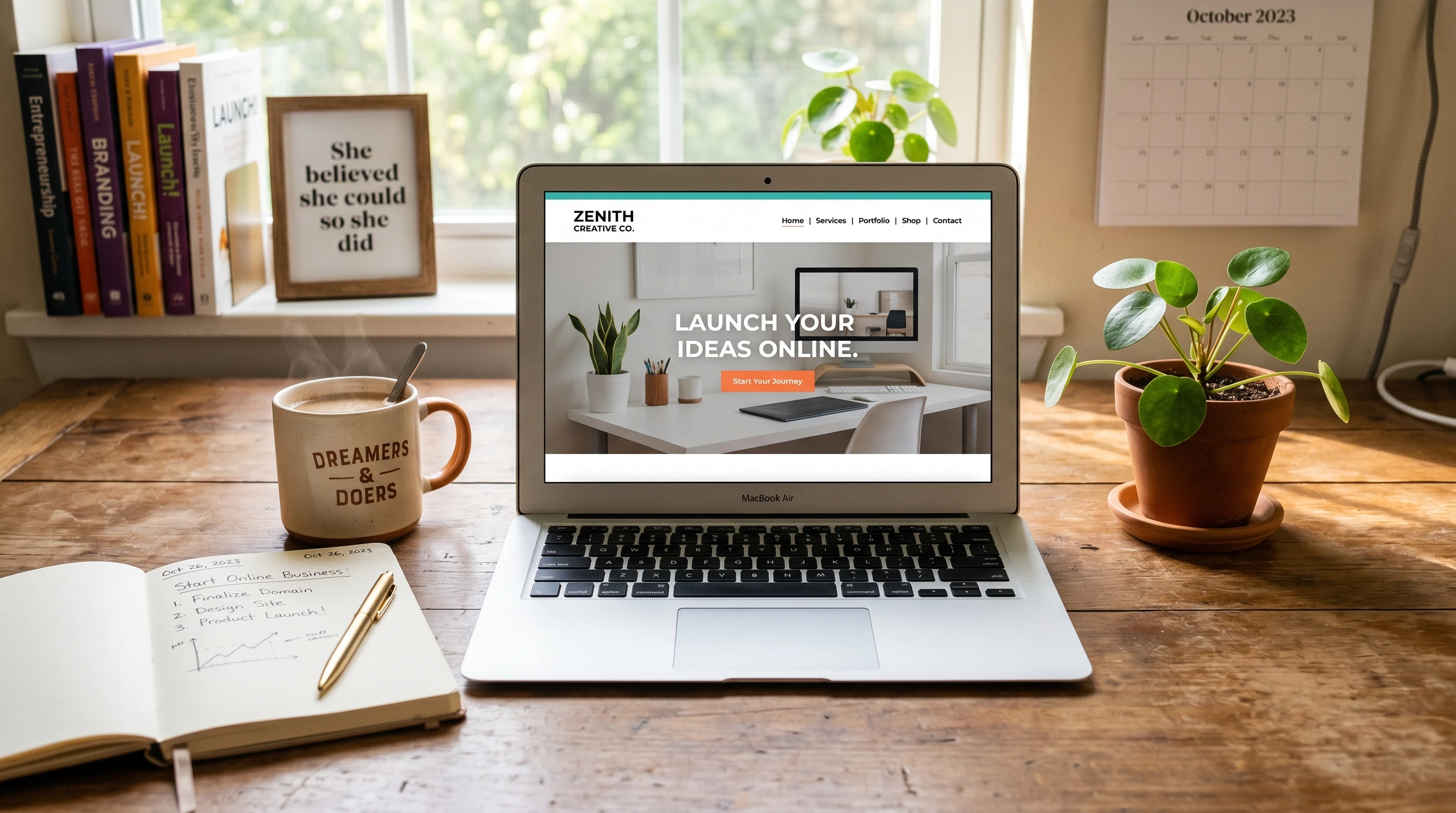
 Ready to turn what you know into income you can earn from home? Online income doesn’t just belong to tech geniuses or big influencers. If you’ve got knowledge or life experience, you’re off to a solid start. With all the tools available now, it’s pretty straightforward to share what you know, help others, and get paid for it. I’ve spent time exploring tons of platforms and approaches, so what I’m sharing here is based on real experience and plenty of trial and error.
 Getting that first affiliate commission online can be pretty exciting. It’s a real “this works!” moment that shows you the power of earning from anywhere, right from your laptop or even your kitchen table. Starting out might feel a bit overwhelming, but with the right training, tools, and community support, like what’s offered at Wealthy Affiliate, you’ve got a much easier path to your first sale.
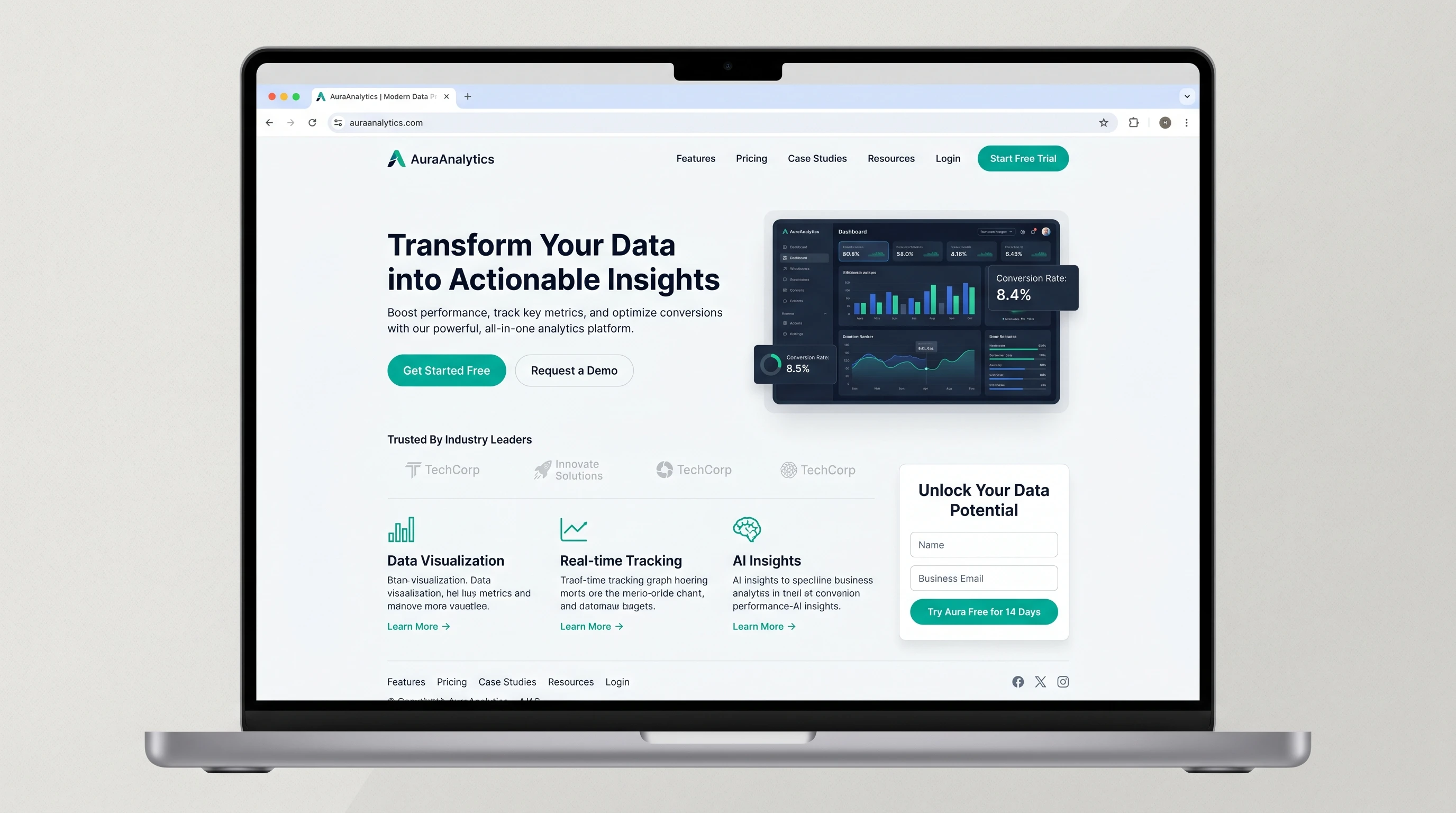 Designing a website that turns visitors into customers isn’t just about having eye-catching graphics or the trendiest layout; it’s about making an experience that feels smooth, welcoming, and trustworthy from the moment someone arrives. Whether you’re building a site for a small business, running an affiliate blog, or working on your own personal brand, focusing on conversion can truly change the results you get.
 Choosing a domain name for your online business honestly feels like picking out a name for your new puppy, exciting, but there’s a lot riding on it. The right domain makes your business stick in people’s minds, shapes your brand, and even helps with search engine rankings. I learned the hard way that a quick, random pick can mean a lot of headaches later, so now I always recommend a thoughtful approach.