
Affiliate marketing is a solid way to earn online, and getting started without any experience is totally doable. Whether you’re after a side hustle or looking to eventually turn this into your main gig, the basics are pretty easy to pick up once you’ve got a step-by-step plan in place. Here’s how I got started in affiliate marketing without any background, plus tips you can use to launch your own adventure.
What Is Affiliate Marketing and Why Start Now?
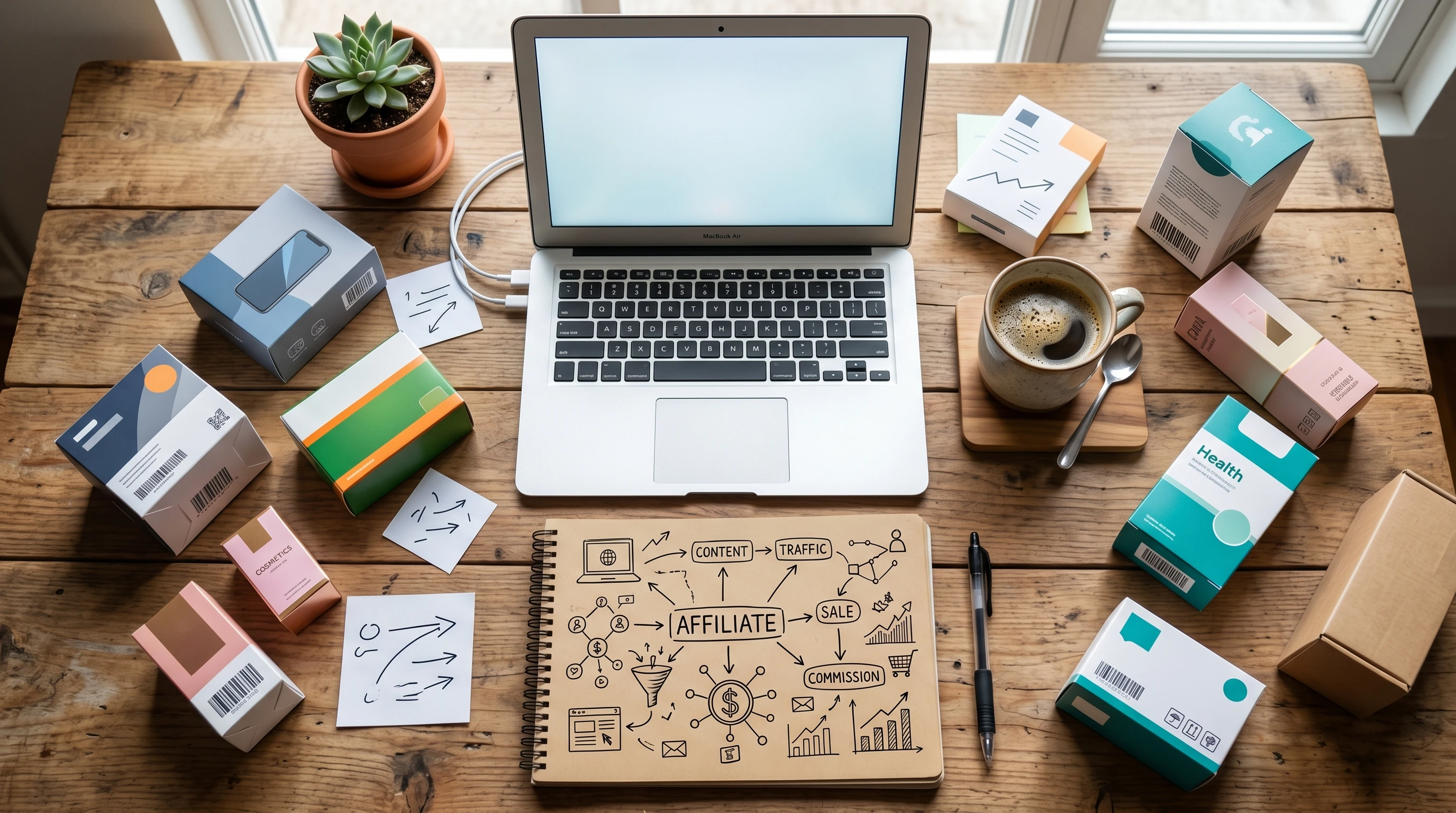
Affiliate marketing means you promote products or services you love and get paid a commission when someone buys through your unique referral link. Brands are willing to share a slice of their sales with you just for sending people their way. This is especially appealing if you don’t want to deal with making your own products or handling customer service drama.
The world of affiliate marketing keeps expanding with more companies jumping in every year. Global affiliate marketing spending crossed $14 billion by 2023, and it’s still growing. Big-name options like Amazon Associates exist, but you can find affiliate programs in nearly every niche, from outdoor gear to digital courses.
Unlike opening a traditional store or starting a podcast, you don’t need much money, or any, to jump in. As long as you’re willing to learn and put some time into it, affiliate marketing is worth checking out if you want to build something on your terms. Even students, busy parents, or professionals can fit this around their schedules. Digital trends have made it easier than ever—there are endless free tools and platforms to make your start super smooth.
How To Get Started in Affiliate Marketing with Zero Experience
Starting from scratch as i did might sound intimidating, but you don’t need fancy skills or a fat wallet. Here’s how I approached it so you can follow along:
- Pick a Niche: Focus on a topic or category you’re genuinely interested in, like pet care, kitchen gadgets, or personal finance.
- Sign Up for Affiliate Programs: Many programs are free and approve beginners, including Amazon, ShareASale, or Commission Junction.
- Set Up a Platform: You can start with a simple blog, YouTube channel, TikTok, or even Instagram. I started with wealthyaffiliate.com which offered all the help, training and support I needed to build an online business.
- Create Value-Based Content: Content is your main tool. Write helpful reviews, hands-on guides, or create engaging videos that solve your audience’s problems. Think about “how to choose the best air fryer” or “budget meal prep for college students.” Simple, honest advice is gold.
- Add Your Affiliate Links: Insert your unique links naturally (never spam them). Make sure to disclose that you may earn a commission to keep things transparent with your audience.
- Grow and Nurture Your Audience: As your site or channel grows, so do your earnings. Connect with your audience honestly so they trust your recommendations. Respond to comments, ask for feedback, and share on social platforms to keep the conversation lively.
Affiliate marketing isn’t just about tossing links everywhere. It works best when you match products with your audience’s needs and share real experiences. The more real your voice, the more people will listen.
Top Challenges Beginners Face (and How I Handled Them)
Everyone runs into a few headaches early on, so here are common ones I had to deal with and smart ways to handle them:
- Getting Traffic: At first, hardly anyone saw my posts, which was a real letdown. Content takes time to show up in search results. Staying consistent and sharing on social media helped kickstart things.
- Picking the Right Products: Chasing only high-paying programs led to promoting stuff I didn’t really like. Choosing products I genuinely used or cared about built trust, and got better results over time.
- Understanding Tracking & Payments: Affiliate dashboards can be confusing, but after checking the program’s beginner tutorials and support articles, things started to make sense. Don’t stress if you’re not a numbers person, practice helps.
- Balancing Disclosure: Transparency is important. A simple statement like “Some links may earn me a commission at no cost to you” keeps you compliant with rules and builds reader trust.
No one gets it all right at first. These early challenges are just bumps that get smaller with each step forward. Remember: every successful marketer once faced these same hurdles.
Smart Ways To Make Affiliate Marketing Easier for Newbies
Some small changes and smart shortcuts made my affiliate adventure way less stressful. Here’s what really helped:
- Start with One Platform: Pick one channel a website as I did—blog, YouTube, or social—and keep it simple. Master it before spreading thin across lots of places.
- Focus on Keywords People Search For: Basic SEO skills help your posts show up in Google. Free tools like Ubersuggest or Answer the Public are great for finding topics and keywords. Looking up what people are asking makes sure your content actually gets seen.
- Offer Real, Hands-On Advice: Share your experience with the product or service. People can spot generic pitches a mile away.
- Collect Emails Early: Adding a simple email signup means you’re not just hoping people come back; now you can keep in touch directly about updates or new products. A weekly tip or exclusive offer keeps readers interested.
- Keep Learning: Affiliate marketing blogs, YouTube tutorials, and community forums (I use the wealthyaffiliate community packed with knowledge and help when required) they are super helpful for picking up new tricks and solving problems. Don’t be afraid to join discussions and ask questions.
Pro tip: Schedule regular check-ins with yourself to see what’s working and where you can improve. There are always new trends and tools popping up, so staying curious puts you ahead of the curve.
Things To Look Out For Before Applying to Affiliate Programs
Not every affiliate program is worth your time, especially for beginners. Here’s what I now check before signing up anywhere:
- Cookie Duration: How long does your trackable link stay active if someone clicks on it? The longer, the better. Some programs offer 24 hours while others, like some web hosting offers, last up to 90 days or more.
- Payout Threshold: Some programs only pay out after you earn a minimum amount. Make sure it’s not set too high. If you’re new, it’s easier to reach a £10 minimum than £100.
- Commission Rate: Standard rates run from about 2% to 10%, but digital products can pay much higher—sometimes up to 50% or more. Read the details!
- Payment Method: If you prefer PayPal or direct deposit, check that the program supports your favourite method. Some only pay by check or require higher thresholds for bank transfers, which can be a hassle.
Careful research helps you track down programs that fit your goals and payout preferences. Always read terms before committing, and look for other marketers’ feedback if you’re unsure.
Expert Insight: Real Examples of Affiliate Marketing Without Experience
I’ve met people who started out sharing book or tech reviews on Instagram and others who posted short “how to” videos on YouTube and TikTok. One friend of mine, for example, started making Amazon product listicles (“top 5 kitchen gadgets”), linked to Amazon’s affiliate program, and grew their side income as the audience grew. None of us were marketing pros at the start; it was all about finding a format we liked and learning as we went. Seeing real-world examples can spark ideas for your own approach. You might even check out popular sites like Nerdwallet or Wirecutter to see affiliate content in action—they started small, too.
Frequently Asked Questions About Affiliate Marketing for Beginners
Here are questions I had (and that come up a LOT) when starting out:
Q: Do I need a website to get started?
A: You don’t have to have a website. Social channels like TikTok, YouTube, or Instagram work too. But owning a blog lets you control your content and traffic long term.
Q: How soon can I make my first commission?
A: Some people get their first commission in a few weeks, but it often takes a couple of months to see regular earnings. Consistent content and patience will pay off over time.
Q: Are there free resources to help me learn more?
A: Tons of free guides and YouTube channels break down affiliate marketing basics, including Smart Passive Income and niche blogs. Community forums can be really helpful too.
Q: Is affiliate marketing legit or is it a scam?
A: Affiliate marketing is 100% legit if you stick with established programs and avoid anyone claiming you’ll get rich quick. Good research keeps you safe from shady deals.
Getting Into Affiliate Marketing as a Total Beginner
If you’re brand new, remember that affiliate marketing really is about helping your readers or viewers solve problems while earning a reward for your work. Patience, honesty, and a willingness to learn are more valuable than technical knowhow in the beginning. Whether you’re building a hustle on weekends or have plans for something bigger, anyone can get started; no experience needed.
So if you’ve been sitting on the sidelines, there’s no better time to jump in. Pick a topic, sign up for a program, and create your first piece of content. Every step you take will build skills and confidence, and the adventure is worth it; you’ll keep learning new things every day. Give it a try—this could be the simple start to a new income stream and a fresh way to connect with like-minded people worldwide.
Setting up a business vent
Start Building Your Online Business Today
Join thousands of people learning how to start affiliate marketing and build an online business from home.
Create your FREE website, access beginner-friendly affiliate marketing training, and take the first step towards building a scalable online income.
Your Business. Your Pace. Your Future.
START BUILDING FREE
REMEMBER 5.5+ BILLION PEOPLE ONLINE TODAY
ure can cost thousands to get up and running, an online business up doesn’t need to cost anything, a free website and time is all you need.
My business is to help, to help YOU build an online business, a business you can manage and run from anywhere in the world, giving you freedom and time to enjoy the lifestyle you desire, it has been a game changer for me, it could do the same for you, It’s so rewarding I want to share it .
“Here’s a little transparency: Our website contains affiliate links. This means if you click and make a purchase, we may receive a small commission. Don’t worry, there’s no extra cost to you. It’s a simple way you can support our mission to bring you quality content.”