Online courses that create residual income are really catching people’s attention right now, especially with so many folks wanting more control over their earnings and worklife balance. Building up passive income used to mean hefty upfront investments, but now, digital products like online training give anyone a shot at extra cash without needing to constantly trade hours for dollars. If you’re curious about where to start, I’m breaking down how online courses work for earning residual income, tips for setting up a course that keeps paying you, and which niches have serious potential to keep bringing in revenue long after the work is done.

Why Online Courses Are Perfect for Residual Income
The coolest thing about online course creation is just how scalable and hands off it can be once you do the initial work. Unlike traditional gigs, you’re not tied to a strict schedule or a single stream of money. You can build a course, put it online, and keep making sales while you sleep. Some markets estimate the online learning industry will be worth over $300 billion in the next few years, so there’s plenty of demand for new courses and fresh ideas.
These courses can be about almost anything: personal finance, coding, fitness, music production, and even really niche skills like drawing digital art or starting an ecommerce shop. People love learning at their own pace, so the right course can become your digital asset that pays you over and over again, no matter where you live or what you do for a living. There’s never been a better time to put what you know out into the world and get paid long after the fact.
Getting Started: How to Build Your First Residual Income Course
The steps for building a profitable online course aren’t all that complicated, but they do need careful planning. Here’s how you’ll want to map things out:
- Pick a Profitable Topic: Look for a subject you know well and that people are searching for. Tools like Google Trends, Answer the Public, and niche forums help spot hot ideas. Don’t just guess; spend a little time looking for gaps or needs in your chosen area.
- Outline the Content: Break your topic down into easy, understandable lessons. A simple structure helps learners stay engaged and finish your course, which is good for reviews and repeat business.
- Choose the Best Format: Video typically works well for most people. Supplement with PDFs, quizzes, or community access if you want to give the value a boost.
- Record and Edit: You don’t need a pro studio. A quiet room and a decent microphone go a long way, and free tools like OBS Studio or iMovie can handle most editing. Focus on being clear and approachable.
- Host and Sell: Platforms like Teachable, Udemy, and Thinkific make it easy to upload content and automate sales, payments, and even customer support. This frees up your time to work on other money makers or simply take a break without worry.
Top Niches That Bring In Residual Course Revenue
Some course categories are especially known for consistent earnings, either because there’s high and ongoing demand or they solve problems that people are always willing to pay to fix. Here are several worth checking out:
- Personal Finance and Investing: Budgeting, investing basics, or cryptocurrency tutorials stay in demand as people keep hunting for smarter ways to manage money. Updating content when the market changes keeps things fresh and your results strong.
- Tech and Coding: Programming, data science, and digital marketing are booming. These skills lead to direct job opportunities, making course buyers motivated repeat customers. New programming languages or frameworks can be hot course topics if you act early.
- Health and Fitness: Weight loss plans, yoga routines, or sport specific training are always trending. People value convenience when working out at home, and tailored programs have broad appeal.
- Business and Side Hustles: How to launch a Shopify store, grow Instagram shops, or master freelance writing. This is great for tapping into people’s dreams of more flexible careers and side money.
- Arts and Hobbies: Music production, photography, languages, or painting courses gather loyal followings if you carve out a unique angle. Don’t overlook less glamorous crafts, as those can also attract dedicated learners looking for niche skills.
How Affiliate Marketing Powers Even Greater Residual Income
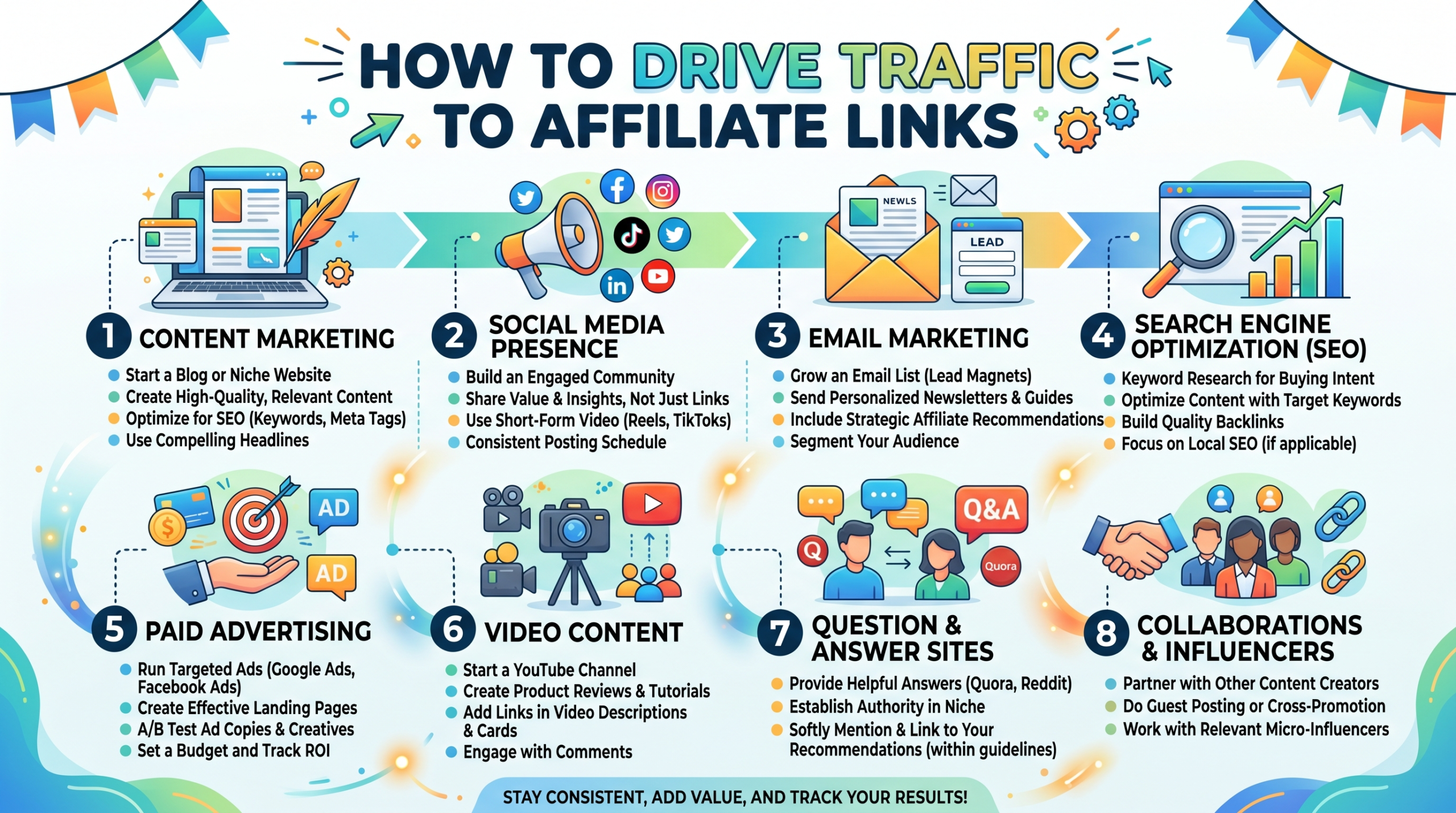
Online courses don’t have to stand alone. One really smart way to boost what you earn over time is by adding affiliate marketing to the mix. When you join affiliate programs, you get paid commissions for recommending other tools, software, or products your students may need.
Affiliate marketing is pretty handy for a few reasons. For one, there’s no risk of holding inventory or needing to ship anything. It’s about sharing helpful resources you’d probably talk about anyway. People trust recommendations from course creators they like, so adding affiliate links for books, software, or advanced training in your course materials can become a steady extra income source, even if you don’t add new lessons or spend extra time on support.
This model works especially well in tech, investing, creative arts, and ecommerce training. There are plenty of programs out there, from Amazon Associates to specific SaaS tools. For example, if you teach a video editing course, pointing students to your favorite software with an affiliate link can bring a small commission each time someone signs up. Over time, those clicks add up, especially as your student base grows—and you only set it up once.
Overcoming Hurdles: What to Watch Out For
Online courses can sometimes seem like “set it and forget it” projects, but they come with a few hurdles you’ll want to steer through. Here are some main ones and a bit of friendly advice for each:
- Market Too Small (or Too Crowded): Super broad courses often get lost in the competition, while really narrow subjects might not draw an audience. It helps to focus on a niche that’s specific enough to attract dedicated learners but not so tiny that you struggle to make sales. Think about what makes your take different.
- Updates and Support: Courses might need updates as tools, apps, or industry best practices change. Decide upfront how much ongoing support you want to provide, and let students know what to expect so everyone stays happy.
- Promotion Strategy: Creating a course is only half the job. Consistent traffic through SEO, blogging, or partnerships keeps your funnel healthy. Email marketing is helpful for reminding past students about new offers or updates—don’t let your connections go cold.
- Course Quality: Bad audio, confusing lessons, or outdated info can trigger refunds and bad reviews. Take a bit more time to plan your lessons, script your videos, and doublecheck your materials; it pays off in student satisfaction and word of mouth.
How to Handle Support and Course Updates
While online courses can largely be passive, students might need the occasional hand or want new info as technology, laws, or tools evolve. Setting up a clear FAQ section, using evergreen content where possible, and scheduling material reviews a couple times a year helps keep things lowstress and modern. Platforms often let you broadcast updates to all enrolled students, which is useful for building loyalty and encouraging positive feedback.
Simple Advanced Tips: Boost Your Residual Income
You don’t need to turn into a tech wizard to make your course a better moneymaker. Here are some smart ideas worth trying out to give your earnings a boost:
Add MiniCourses or Upsells: Once someone finishes your main course, offer a related minicourse, template pack, or exclusive coaching for an extra fee. These smaller products can drive up the lifetime value of each student.
Automate Everything: Most platforms handle payments and delivery out of the box, but you can also automate email reminders, feedback surveys, and followup promotions using tools like Mailchimp or ConvertKit. Automation equals more time for you and less fuss in the day to day.
Encourage Community Sharing: Set up a simple Facebook group or private Discord to help students connect. Not only does this keep them involved, but they might also bring in more new students through word of mouth. Growing your community beats chasing new leads one by one.
Quick FAQ: Your Residual Income Course Questions Answered
Here are a few questions that pop up a lot from people looking to get into online course creation:
Question: Do I need to be an expert in my field to create a course?
Answer: It helps to know more than your average beginner, but you don’t need a PhD to get started. Sharing your experience and being honest about your level is usually enough. As you teach, you’ll keep learning, which can help future updates.
Question: Can I really earn income while doing other things, or is that just hype?
Answer: Residual income from online courses is real, especially once you build up a few quality courses and automate your promotion. The money isn’t always massive right out the gate, but it often builds up as more people enroll and reviews start coming in.
Question: Do I need fancy gear or a dedicated studio?
Answer: Not at all. Your phone or a basic webcam and microphone are plenty for most starter courses. Good lighting and clear instruction matter a lot more than expensive setups, and simple usually works best for beginners.
Real World Examples of Residual Course Income
Plenty of creators start with just one or two courses and end up with ongoing monthly income that snowballs over time. For example, someone might launch a simple “intro to spreadsheets” course on Udemy that earns sales for years, or a certified trainer could build a set of advanced yoga routines and sell access via their own site using Teachable.
- An art teacher records a digital drawing basics course, posts it on Skillshare, and continues to earn from thousands of students every year without any direct oneonone teaching time.
- A financial advisor creates a budgeting bootcamp, adds affiliate links for partner banks and budgeting software, and gets commissions and new course signups each month, all without extra live coaching hours.
Success stories like these really show that a little upfront effort can go a long way toward creating some much appreciated breathing room in your budget, all without climbing a corporate ladder or punching a time clock every day. With automation and a little ongoing attention, these sources of income not only supplement your earnings but can slowly grow into substantial revenue streams as your audience grows.
Wrapping Up
Online courses that create residual income are a great way to put your skills out into the world, help others, and stake out a source of income that could pay off for years. Picking in demand topics, focusing on high quality lessons, and mixing in affiliate marketing set you up for solid results without being chained to your desk. This approach is practical, accessible, and works well both for side hustles and for folks looking to completely switch up how they earn a living. If you’re up for the challenge, now’s the perfect time to start building your own digital income stream and let those skills keep working for you long after launch.
“Here’s a little transparency: Our website contains affiliate links. This means if you click and make a purchase, we may receive a small commission. Don’t worry, there’s no extra cost to you. It’s a simple way you can support our mission to bring you quality content.”